
Water Heater Replacement Cost in Snohomish County
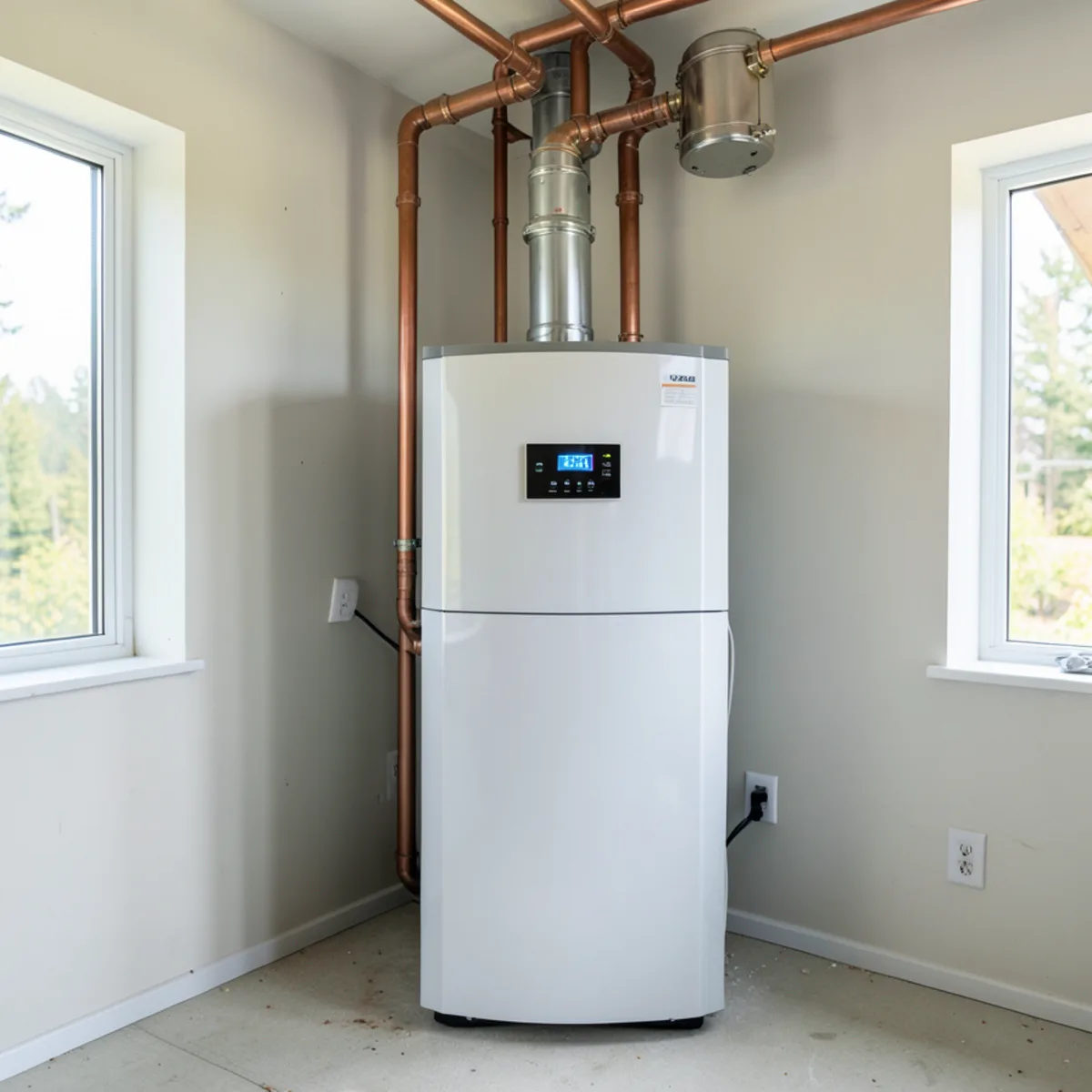
In Snohomish County, replacing a residential water heater in 2026 typically costs between $882 and $1,826 for a standard atmospheric tank, while advanced condensing tankless systems range from $2,400 to $4,200 and hybrid heat pump units average $2,200 to $3,800 before applicable rebates. Final investment figures depend heavily on equipment capacity, venting retrofits, municipal plumbing permits, and local code compliance mandates.
Beyond basic hardware costs, homeowners in Snohomish, Everett, and surrounding communities must navigate strict regional building requirements—such as City of Snohomish Ordinance 1858 requiring thermal expansion tanks, Washington State seismic strapping rules, and varying regional water chemistry between soft Cascade mountain reservoirs and mineral-dense well aquifers. This comprehensive guide details all equipment options, itemized cost factors, code upgrades, and 2026 utility incentives.
Realistic Cost Ranges: Storage Tanks vs Tankless vs Hybrid Heat Pumps
Installed Cost Benchmarks Across Snohomish County in 2026
The heating mechanism, storage capacity, and fuel source you select represent the single largest variable in your total installation investment. Standard storage water heaters remain the default choice for budget-conscious homeowners replacing an identical existing footprint, while tankless and heat pump technologies offer superior long-term operating economics.
According to regional contractor pricing data and Angi 2026 benchmark metrics for Western Washington, a standard 40-to-50-gallon electric storage tank installed by a licensed plumbing contractor runs between $882 and $1,650. Natural gas atmospheric tanks run slightly higher ($1,100 to $1,826) due to gas supply line connections, burner assembly calibration, and chimney draft flue verification.
High-efficiency condensing tankless systems (such as Navien NPE-240A2 or Rinnai RU199iN) require an initial investment of $2,400 to $4,200. This premium accounts for specialized stainless steel condensing heat exchangers, dedicated dual-pipe polypropylene venting through exterior walls, and often an upgrade from 1/2-inch to 3/4-inch gas supply lines to satisfy peak demand (199,000 BTU/hr). In return, tankless systems eliminate standby thermal loss, provide continuous endless hot water, and deliver a lifespan exceeding 20 years.
Hybrid electric heat pump water heaters (50 to 80 gallons) cost between $2,200 and $3,800 installed. Because they extract ambient heat from surrounding indoor air using an efficient refrigeration cycle, they reduce water-heating electricity consumption by up to 70%. Substantial 2026 utility rebates significantly reduce this net investment.
Get direct advice from an Avenue D technician
We diagnose Snohomish County plumbing emergencies 24 hours a day, 7 days a week.
Itemized Cost Breakdown: What Goes Into a Professional Plumbing Quote
Understanding Labor, Materials, Valves, and Code Upgrades
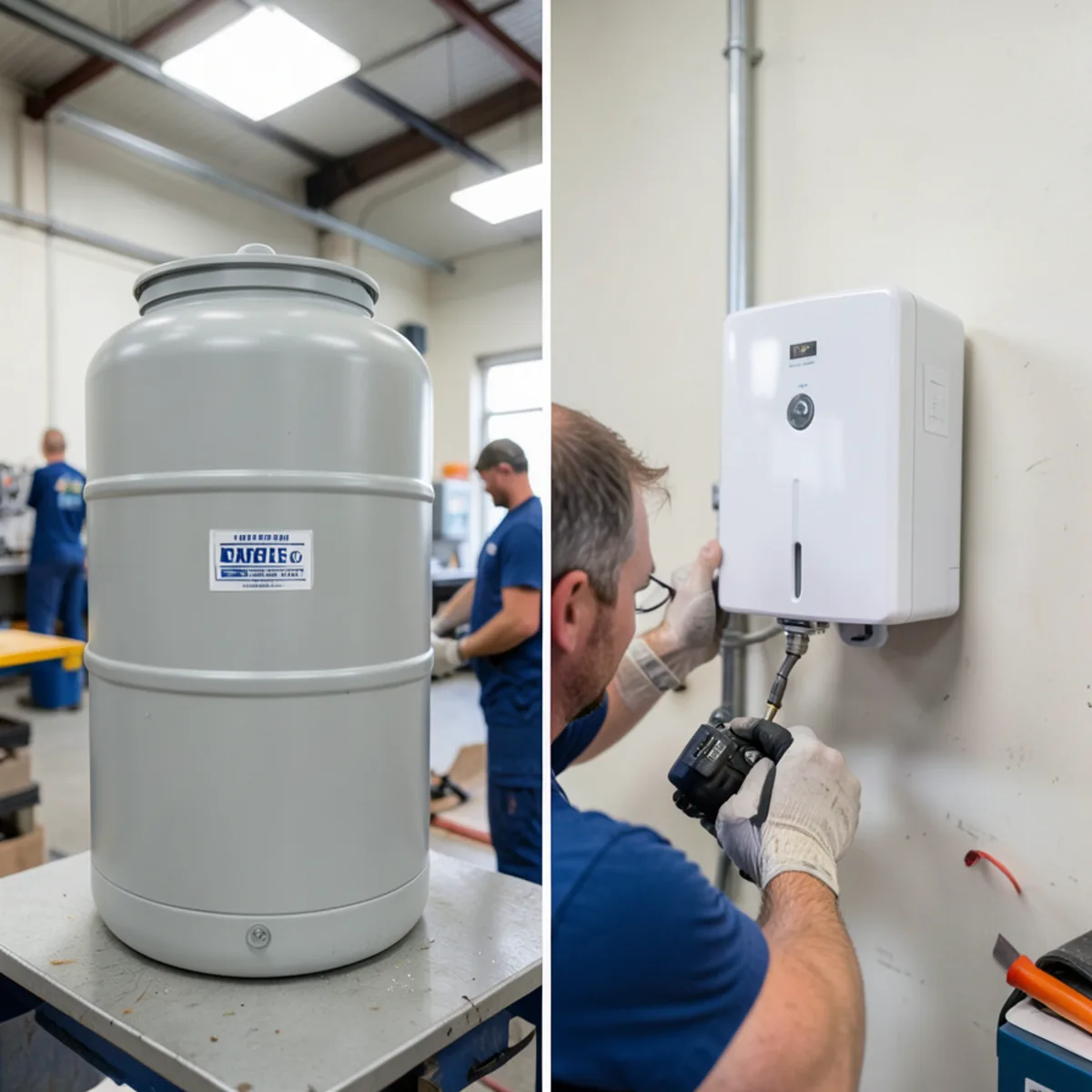
When comparing estimates from licensed plumbing contractors, lowball quotes frequently exclude mandatory installation components that reputable contractors include by default. A professional water heater replacement encompasses four distinct cost categories:
1. Equipment & Core Hardware: The tank or tankless unit itself, representing 45% to 60% of the total quote. Commercial-grade brass drain valves and thicker glass-lined steel tanks installed by licensed plumbers provide greater longevity than big-box retail retail models with plastic components.
2. Direct Plumbing Materials: Premium braided stainless steel or corrugated copper flexible water connectors, full-port brass quarter-turn shutoff ball valves, dielectric unions to prevent galvanic corrosion between dissimilar metals, sediment traps (drip legs) on gas lines, and temperature and pressure relief (T&P) discharge piping extended within 6 inches of the floor or terminating outdoors.
3. Professional Labor & Safe Removal: De-energizing high-voltage circuits or shutting down gas valves, completely draining water and accumulated sediment from the old tank, carrying the heavy unit out of tight basements or crawlspaces, transporting it to a licensed metal recycling facility, and meticulously plumbing the new system.
4. Jurisdictional Permitting & Inspection Fees: Municipal plumbing and mechanical permits required by the City of Snohomish, Everett, or Snohomish County Planning and Development Services ($75 to $225 depending on jurisdiction).
Snohomish County Code Mandates That Impact Installation Costs
Ordinance 1858 Expansion Tanks, Seismic Strapping, and City Permits
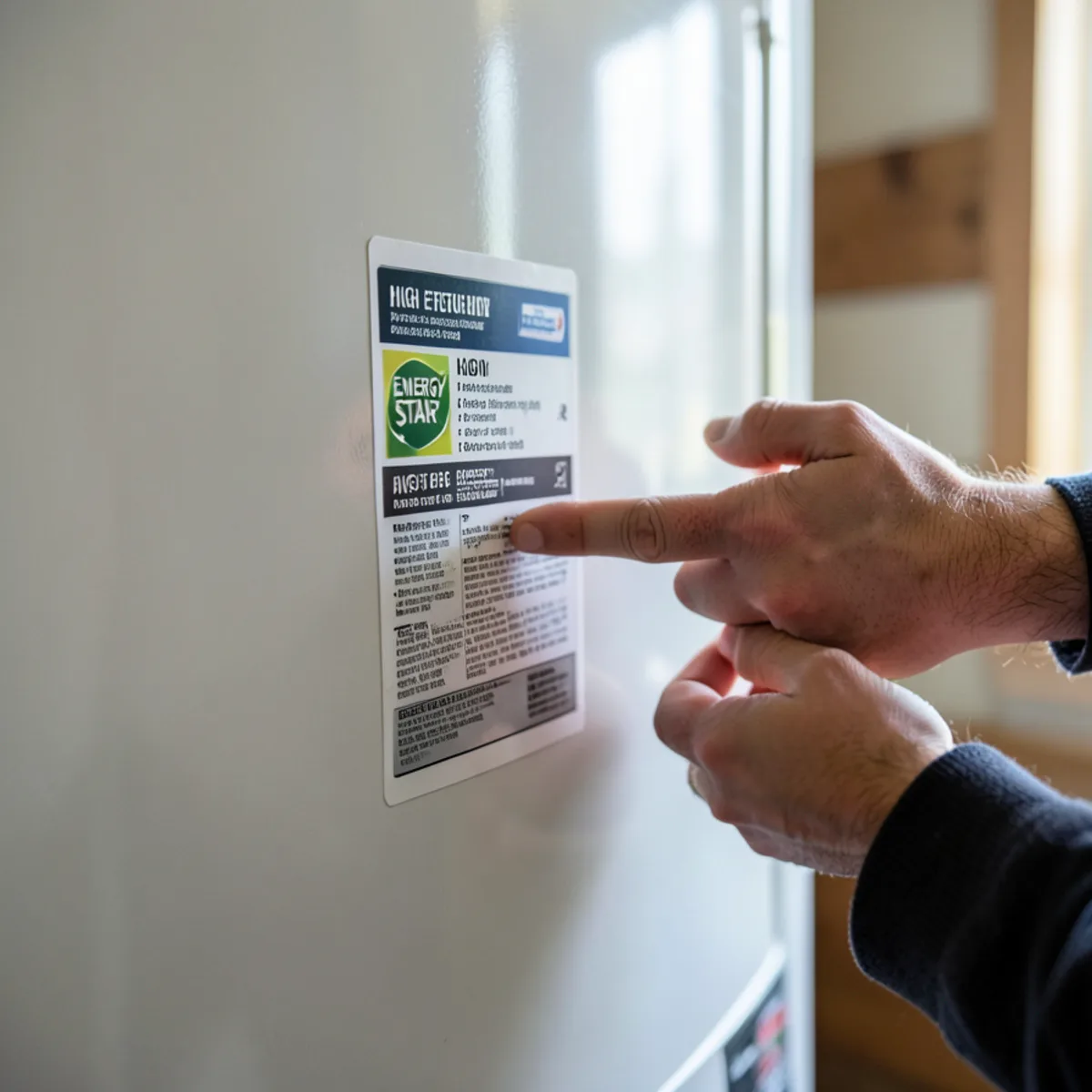
Plumbing codes in Western Washington feature specific safety requirements driven by regional seismic activity and municipal water supply infrastructure. In the City of Snohomish, municipal code compliance requires strict adherence to Ordinance 1858, which mandates the installation of a potable thermal expansion tank on all closed water systems.
When municipal water mains are equipped with check valves, backflow devices, or pressure reducing valves (PRVs)—as is standard across Snohomish, Everett, and Bothell—water cannot expand backward into the public main as it heats. According to basic physics, water expands roughly 2% in volume when heated from 50°F to 120°F. In a closed plumbing system without an expansion tank, this thermal expansion drives water pressure above 100 to 150 PSI, causing dripping T&P relief valves, damaged appliance seals, and rupturing water heater tank shells.
Additionally, Washington State building codes mandate that all storage water heaters be secured against seismic shaking using two heavy-gauge steel earthquake straps bolted with 5/16-inch lag screws directly into wall framing studs. The lower strap must be located in the lower third of the tank (at least 4 inches above the control valve) and the upper strap in the upper third.
- City of Snohomish Ordinance 1858: Mandates thermal expansion tanks on closed domestic water loops
- Washington State Seismic Safety Code: Requires dual heavy-gauge seismic straps anchored into wall studs
- Uniform Plumbing Code (UPC) Section 608.5: T&P relief lines must discharge by gravity with no threading at terminus
- Municipal Building Permits: Mandatory across Snohomish, Everett, Lynnwood, and Snohomish County
- Combustion Air Clearance: Atmospheric gas units require 50 cubic feet of room volume per 1,000 BTU/hr input
Water Chemistry in Snohomish County: Lifespan and Maintenance Costs
Cross Valley Water Hardness vs Soft Mountain Reservoir Supplies
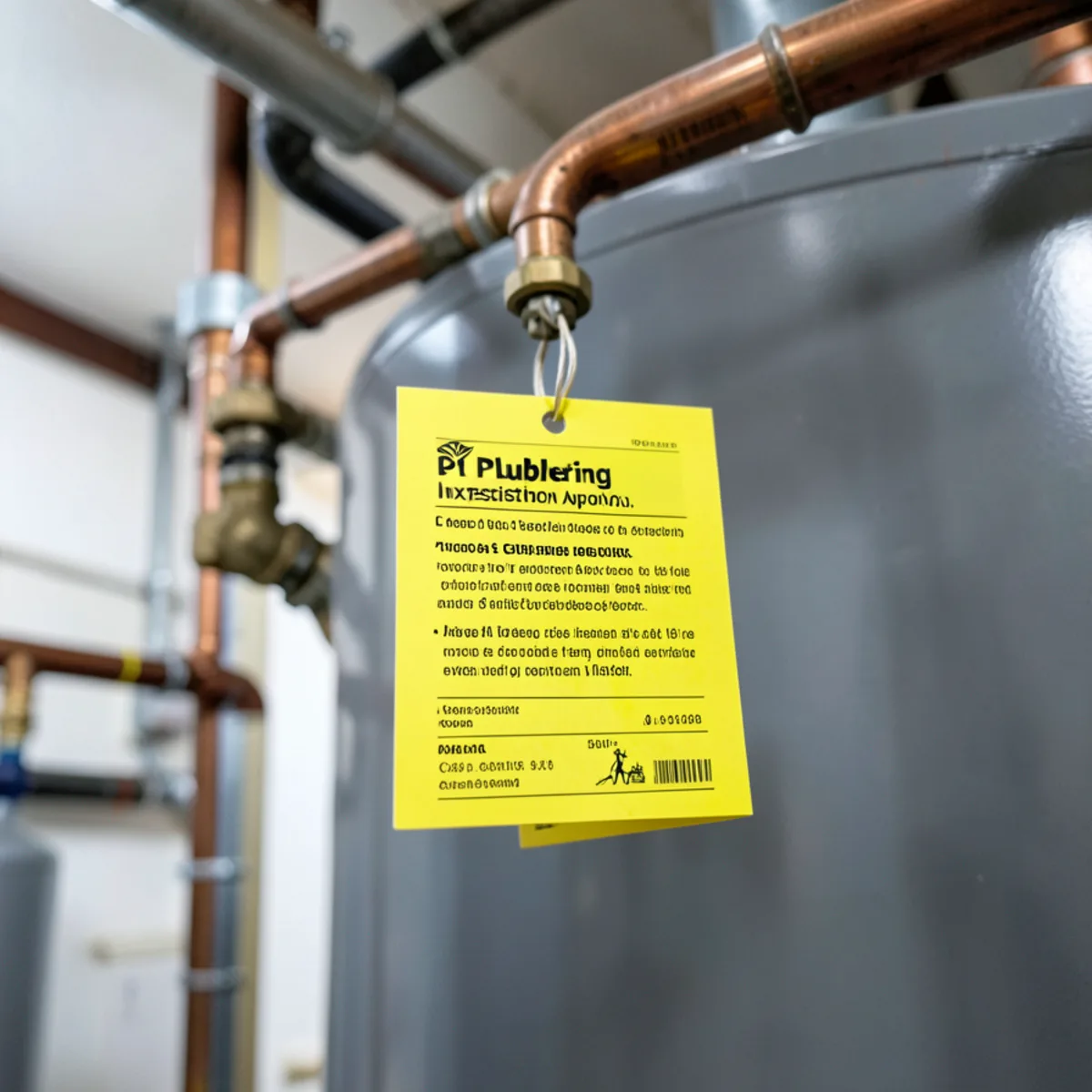
The geographic location of your home within Snohomish County directly influences how long your water heater will last and what ongoing maintenance it requires. Water chemistry varies dramatically across the county:
Homes supplied by the Cross Valley Water District (serving parts of Snohomish, Maltby, and Mill Creek) draw from local groundwater aquifers with moderate-to-hard mineral content averaging around 94 mg/L (5.5 grains per gallon). Under high heating temperatures, calcium and magnesium carbonate precipitate out of solution, coating heating elements and building a thick crust at the bottom of storage tanks. This scale insulates the water from the burner, leading to overheating, popping noises, and premature tank bottom rupture within 6 to 9 years.
Conversely, homes in Everett, Lake Stevens, and Marysville receive ultra-soft surface water originating from Spada Lake Reservoir in the Cascade Mountains (averaging just 12.5 mg/L or under 1 grain per gallon of hardness). While soft water eliminates mineral scaling, water with very low dissolved solids is naturally aggressive and can leach metals. This accelerates the consumption of the water heater's sacrificial anode rod. Inspecting and replacing the sacrificial magnesium or aluminum anode rod every 3 to 4 years prevents corrosive galvanic attacks on the tank shell.
2026 Utility Rebates: Snohomish PUD, PSE, and Tax Credit Updates
Claiming Up to $1,000 in Direct Energy Incentives
Homeowners transitioning from standard electric resistance tanks to high-efficiency hybrid heat pump water heaters can access substantial cash rebates in 2026 from local utility providers:
1. Snohomish County PUD Rebates: Snohomish PUD offers up to $1,000 for qualifying Tier 3 or Tier 4 Advanced Water Heater Specification (AWHS) hybrid heat pump units replacing an existing electric tank in an unconditioned space or conditioned basement. PUD rebate applications must be submitted within 90 days of the purchase/installation invoice date.
2. Puget Sound Energy (PSE) Rebates: For homes in PSE electric service territories, PSE provides a direct $1,000 rebate ($1,100 for income-qualified households) on qualified heat pump water heaters. Applications must be completed within 30 days of installation.
Important 2026 Tax Update: The federal Section 25C Energy Efficient Home Improvement Credit expired on December 31, 2025. Unless extended by new congressional legislation, federal tax credits are no longer active for 2026 installations. Homeowners should rely on these robust regional utility rebates to lower their capital expense.
Upgrading to a Hybrid Heat Pump: Electrical and Space Prerequisites
Ensuring Your Home Has the Space and Circuit Amperage Required
Before investing in a hybrid heat pump water heater, a licensed plumber must verify that your installation location satisfies manufacturer airflow and electrical specifications:
First, heat pump water heaters require at least 700 to 1,000 cubic feet of surrounding air volume (roughly a 10x10 foot room) to harvest ambient heat effectively. If installed in a tight utility closet, louvered doors or dedicated ducting kits must be installed to bring in warmer room air and expel cool exhaust air.
Second, hybrid units require a dedicated 240-volt, 30-amp electrical breaker (or specialized 15-amp/120-volt models for retrofits). If switching from natural gas to electric heat pump, an electrician may need to run a dedicated circuit from your main electrical panel.
Finally, because heat pump compressors extract humidity from ambient air during the refrigeration process, they generate continuous condensate. A dedicated gravity condensate drain line or an auxiliary condensate removal pump must be routed to a nearby drain, standpipe, or exterior terminus.
Frequently Asked Questions
In 2026, replacing a standard 40-to-50-gallon tank typically costs between $882 and $1,826 fully installed with permits and disposal. High-efficiency condensing tankless installations range from $2,400 to $4,200, while hybrid heat pump systems cost $2,200 to $3,800 before applying up to $1,000 in Snohomish PUD or PSE rebates.
Related Services & Local Coverage
Core Plumbing Disciplines
Service Areas Mentioned
Need Expert Assistance With Your Home’s Plumbing?
Call 24/7 to connect directly with an Avenue D technician ready to dispatch across Snohomish County.