
Polybutylene Pipe in 1980s–90s Snohomish County Homes: Signs It's Time to Repipe
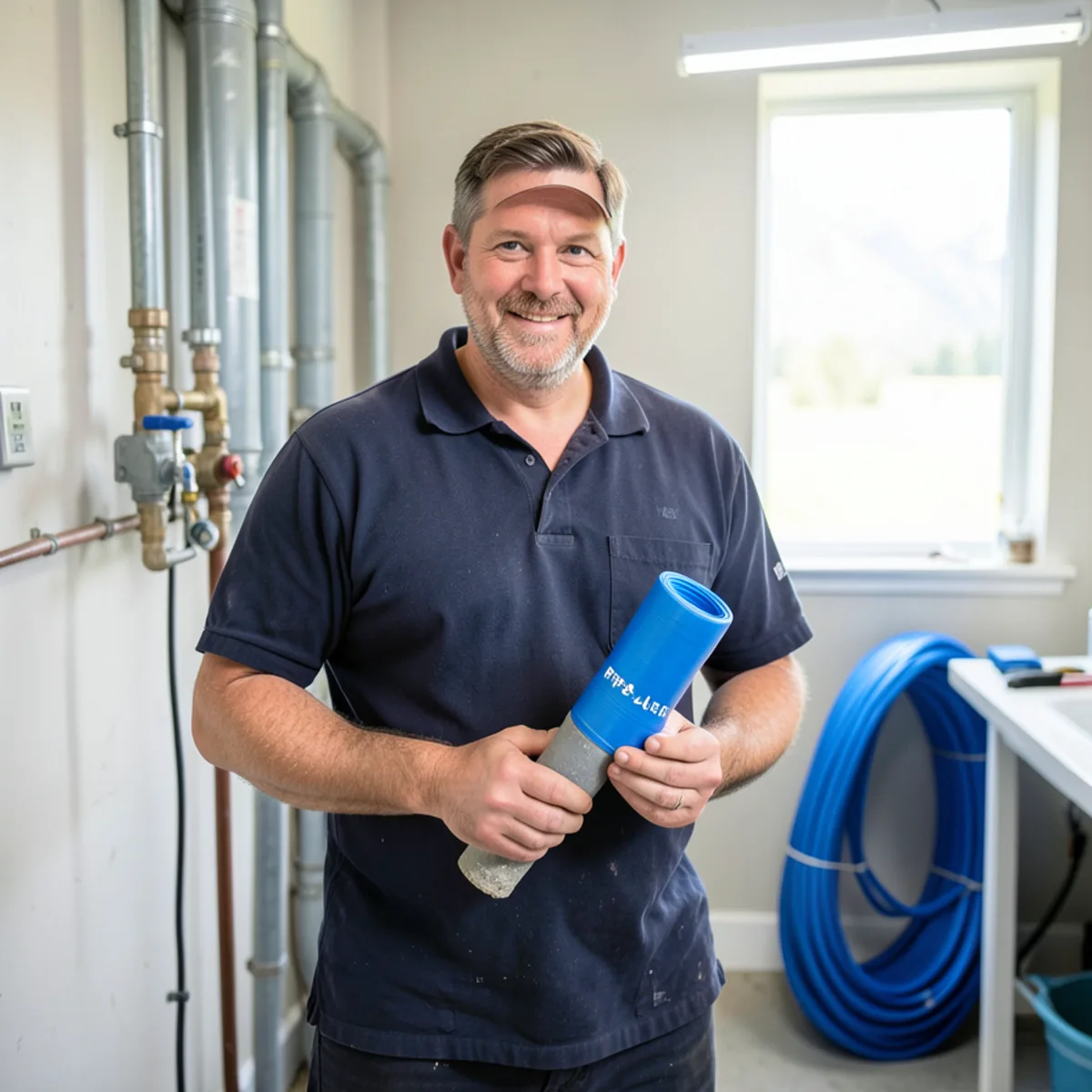
In Snohomish County, polybutylene pipe replacement typically costs between $4,500 and $9,500 for a standard single-family residence, transitioning vulnerable 1978–1995 plastic plumbing to commercial-grade Uponor PEX-A. Tens of thousands of suburban homes constructed across Mill Creek, Canyon Park in Bothell, Silver Firs, and Lake Stevens were fitted with polybutylene (Quest PB2110) during the Pacific Northwest residential construction boom of the 1980s and early 1990s.
Marketed originally as an innovative, low-cost substitute for copper, polybutylene has since proven to be the most catastrophic piping material in modern plumbing history. The plastic resin degrades from the inside out when exposed to municipal water disinfectants, leading to sudden, unannounced blowouts inside walls and crawlspaces. Understanding how to identify polybutylene, why spot repairs fail, and how modern non-invasive repiping works protects your home equity and insurance insurability.
The Polybutylene Legacy in Snohomish County Subdivisions
Why 1978–1995 Mill Creek, Bothell, and Silver Lake Homes Are at High Risk
Between 1978 and 1995, residential developers throughout Snohomish County embraced polybutylene resin (marketed predominantly under the brand name 'Qest' by Shell Chemical and Vanguard). Because polybutylene was flexible, lightweight, and required no soldering torches, tract home builders could plumb an entire two-story house in a single afternoon at a fraction of the cost of rigid copper.
Consequently, polybutylene was installed extensively across emerging master-planned developments in Snohomish County. Neighborhoods throughout Mill Creek (including Mill Creek Country Club, Evergreen, and Heatherwood), the Canyon Park and North Creek corridors of Bothell, Silver Lake and Cascade View in South Everett, and early 1990s subdivisions around Lake Stevens and Snohomish feature polybutylene plumbing behind their drywall.
Today, these piping systems are 30 to 45 years old—far exceeding their functional reliability. Homeowners who have not yet repiped are living on borrowed time as internal micro-fracturing reaches critical mass.
Get direct advice from an Avenue D technician
We diagnose Snohomish County plumbing emergencies 24 hours a day, 7 days a week.
The Chemical Mechanism: Why Polybutylene Fails from the Inside Out
Chlorine Micro-Fracturing and Acetal Fitting Brittleness
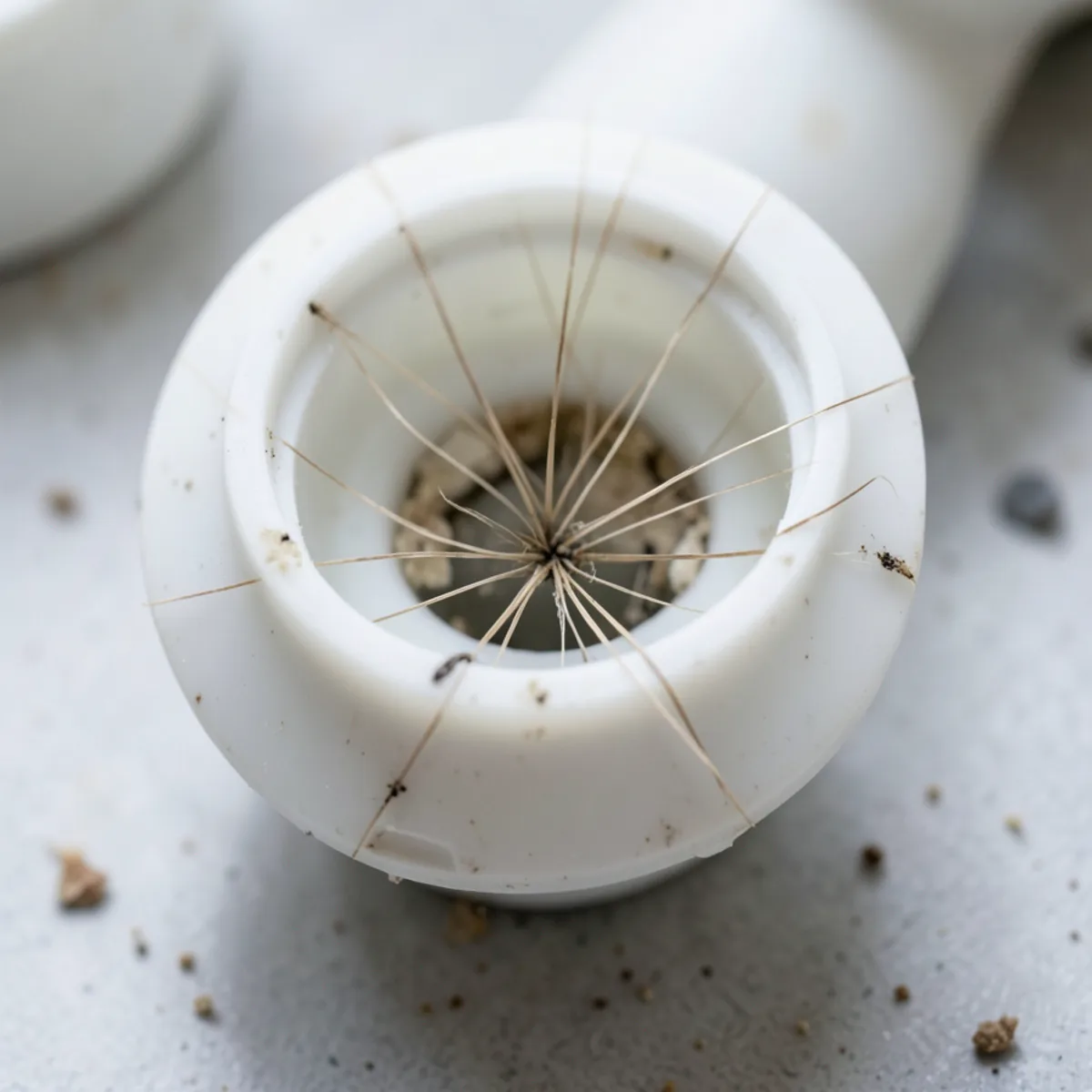
The fundamental flaw of polybutylene piping lies in its chemical vulnerability to municipal drinking water disinfectants. Water purveyors across Western Washington (including Everett Water, Silver Lake Water District, and Alderwood Water District) treat drinking water with chlorine and chloramines to eliminate biological bacteria and ensure potable safety.
While safe for humans, chlorine molecules react aggressively with the internal polyolefin polymer chains of polybutylene tubing and white acetal plastic connector fittings. This chemical reaction leaches plasticizers from the pipe wall, causing micro-fissuring, flaking, and severe embrittlement along the pipe's interior surface.
The danger of polybutylene is that this degradation is entirely invisible from the outside. A pipe can look pristine, flexible, and clean on the exterior while its inner wall has developed millions of microscopic hairline fractures. Eventually, routine hydraulic pressure surges—such as a fast-closing washing machine solenoid valve or dishwasher cycle—cause the brittle pipe wall or fitting barb to fracture catastrophically, discharging 500 to 1,000 gallons of pressurized water into finished living areas in hours.
- Chlorine and chloramine oxidizers leach plasticizers, creating microscopic fissures inside pipe walls
- White acetal plastic insert fittings become chalky and brittle, shearing under normal water pressure
- Zero exterior warning signs prior to catastrophic pipe wall separation
- Water hammer pressure spikes easily exceed the burst strength of micro-fractured plastic
- Insurance companies across Washington actively cancel coverage or attach $10,000 water deductibles
How to Identify Polybutylene Piping in Your Snohomish County Home
Visual Verification Guide for Crawlspaces, Attics, and Water Heaters
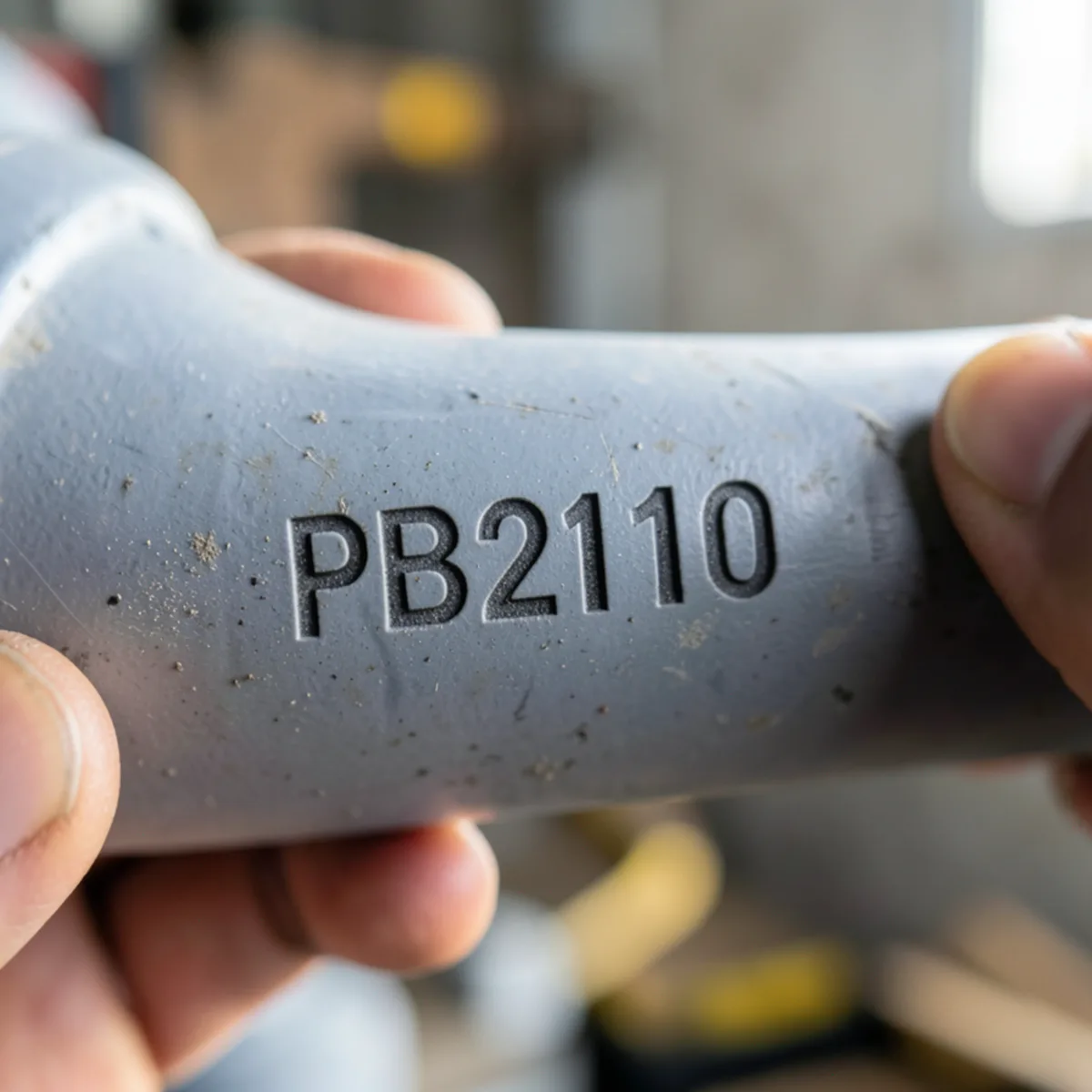
Determining whether your home contains polybutylene requires a basic visual inspection of accessible plumbing rough-ins. Follow these inspection checkpoints:
1. Inspect the Water Heater Inlet and Outlets: Examine the cold supply and hot distribution lines adjacent to your water heater. If you observe dull gray flexible plastic tubing clamped with aluminum or copper crimp rings, your home has polybutylene.
2. Check Under Bathroom and Kitchen Sinks: Look where water supply lines emerge from drywall or cabinet backs. Polybutylene is typically 1/2-inch or 3/4-inch outside diameter, matte gray, and noticeably flexible compared to rigid PVC or CPVC.
3. Look for Manufacturer Imprints: Wipe away dust along pipe runs in your crawlspace or basement ceiling joists. Polybutylene tubing features continuous stamped lettering reading 'PB2110', 'Qest', 'Vanguard', or 'ASTM D-3309'.
4. Main Water Service Line: Outside, examine where the underground water service enters the foundation footing. Blue polybutylene (often called 'blue max') was widely installed underground from the municipal meter to the house. Blue max is exceptionally prone to splitting under freezing ground conditions.
Plumbing Pipe Material Comparison: Polybutylene vs Copper vs PEX-A
Evaluating Lifespan, Freeze Resilience, and Total Installation Economics
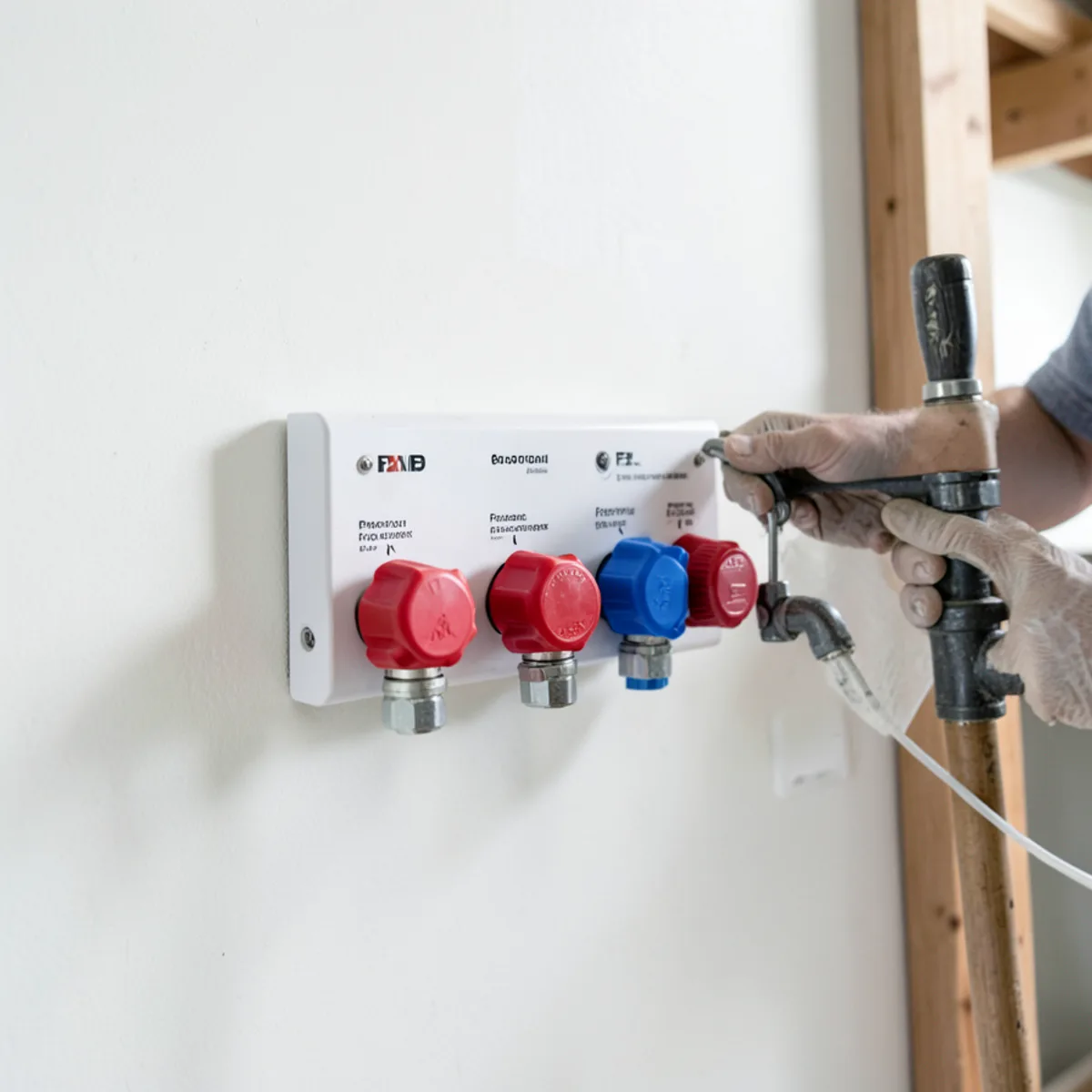
When planning a whole-home repipe, evaluating modern piping materials ensures your replacement investment provides decades of trouble-free performance:
| Piping Material | Expected Service Life | Chemical & Chlorine Resistance | Freeze Burst Resilience | Average Repipe Investment |
|---|---|---|---|---|
| Polybutylene (PB2110 / Quest) | 10 – 15 Years (Obsolete) | Extremely Poor (Severe micro-fracturing) | Low (Brittle under cold expansion) | N/A (Replacement required) |
| Rigid Copper (Type L) | 40 – 50 Years | Good (Susceptible to acidic water pinholes) | Poor (Rigid walls burst when water freezes) | $7,500 – $14,000 |
| Uponor PEX-A (ProPEX Expansion) | 50+ Years (25-yr warranty) | Exceptional (Zero chemical degradation) | Superior (Expands up to 300% without splitting) | $4,500 – $9,500 |
| Standard PEX-B (Crimp Ring) | 30 – 40 Years | Good (Moderate chlorine resistance) | Moderate (Can rupture at crimped brass fittings) | $4,000 – $8,000 |
Why Spot Repairs on Polybutylene Are Ineffective and Dangerous
The Domino Effect of Localized Couplings on Brittle Plastic
When a polybutylene pipe develops a pinhole leak, homeowners often ask if a plumber can simply cut out the damaged 6-inch section and install a push-to-fit or crimp repair coupling. At Hector Plumbing Solutions, we strongly advise against spot repairs for two critical reasons:
First, cutting into brittle, chlorine-degraded polybutylene transfers mechanical torsion and shear stress to surrounding sections of pipe. Tightening a clamp or forcing an insert fitting into aged plastic creates micro-fractures in the adjacent tubing, almost always causing another catastrophic leak within 3 to 18 inches of the repair within weeks.
Second, spot repairs leave 98% of your home's vulnerable piping intact behind finished drywall, ceilings, and under subfloors. Insurance carriers in Washington State recognize this failure pattern; if an insurer discovers prior polybutylene spot repairs during an insurance claim investigation, they may deny coverage on the grounds of known ongoing material failure.
The Permanent Solution: Whole-Home Repiping with Uponor PEX-A
Surgical, Clean Installation That Restores Full Property Equity
The only definitive, code-approved resolution to polybutylene is a complete whole-home repipe using Uponor PEX-A (cross-linked polyethylene). Manufactured using the Engel method, Uponor PEX-A features unmatched thermal memory and flexibility, allowing the pipe to expand up to three times its diameter if water freezes inside, returning to its original size without bursting.
Hector Plumbing Solutions utilizes a clean, minimally invasive repiping procedure developed specifically for finished homes in Snohomish County:
Our licensed plumbers run flexible continuous PEX-A lines through crawlspaces, attic cavities, and floor joists. Rather than tearing down large sections of drywall, we make small, surgical drywall access openings (typically 4x4 or 6x6 inches) behind vanity cabinets or low on walls. We connect all fixtures using engineered ProPEX cold-expansion fittings that get stronger over time, conduct a 100 PSI hydrostatic pressure test, and ensure your home has functional water service restored at the end of every work day.
Furthermore, under Washington State real estate law (RCW 64.06.020), sellers are legally required to complete the Real Property Transfer Disclosure Statement (Form 17). Section 4 of Form 17 explicitly asks whether the seller is aware of any defects in the plumbing system, including known polybutylene piping or historical leaks. Disclosing active polybutylene often prompts prospective buyers to demand hefty price reductions or escrow repair credits. Proactively repiping your home eliminates this disclosure hurdle entirely, providing clean transfer paperwork and a 25-year manufacturer warranty that transfers to future owners.
Completing a whole-home repipe eliminates insurance cancellation risks, protects finished hardwood floors from sudden catastrophic flooding, and permanently restores confidence and equity to your residential property.
Frequently Asked Questions
Check the visible water supply pipes entering your water heater or under sinks. Polybutylene is a dull matte gray flexible plastic tubing stamped with 'PB2110', 'Qest', or 'Vanguard'. Outside water service lines may be blue plastic ('Blue Max'). If your home was built between 1978 and 1995, an inspection by a licensed plumber provides 100% confirmation.
Related Services & Local Coverage
Core Plumbing Disciplines
Service Areas Mentioned
Need Expert Assistance With Your Home’s Plumbing?
Call 24/7 to connect directly with an Avenue D technician ready to dispatch across Snohomish County.