
After a Snohomish River Flood: Plumbing Checks Before You Move Back In
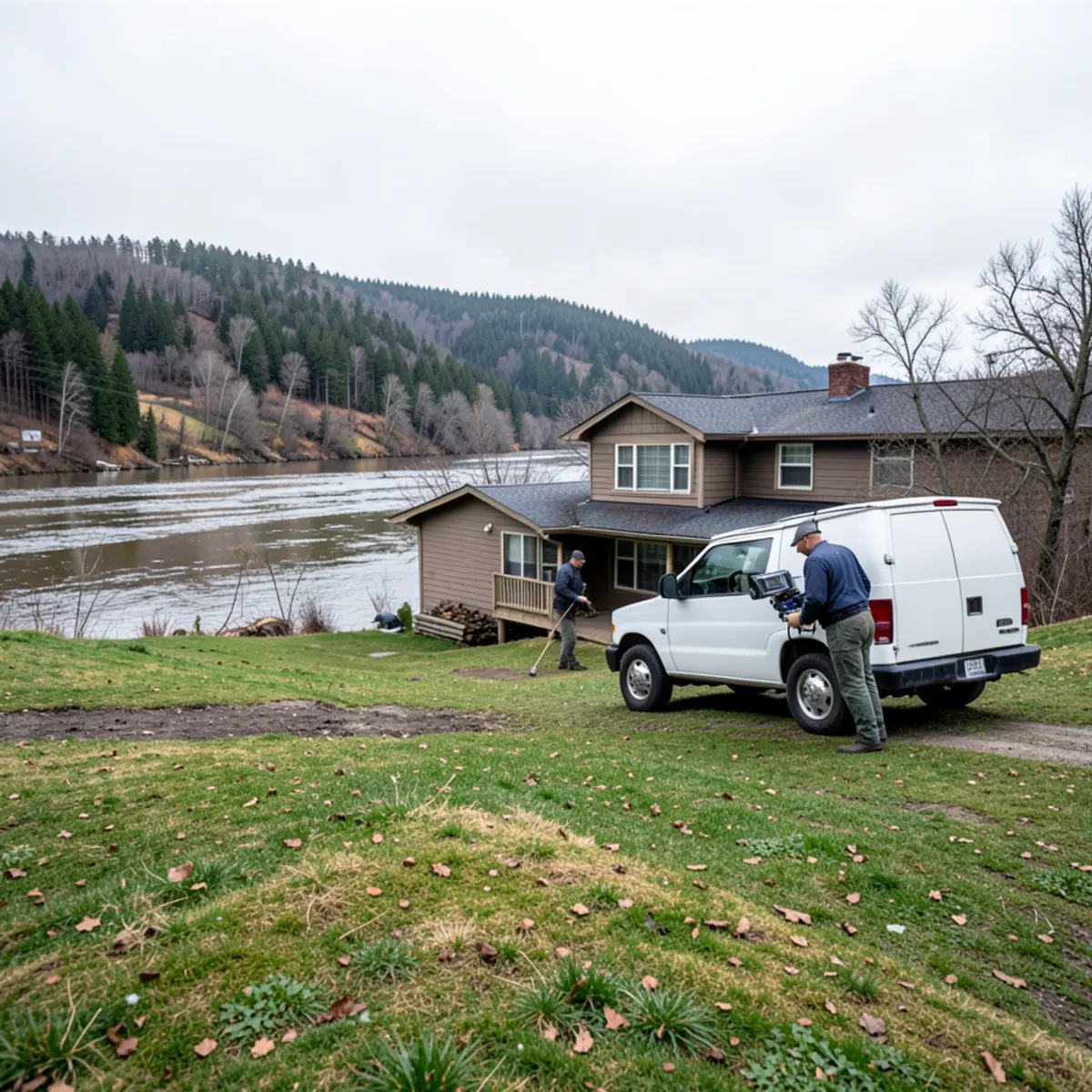
Before moving back into a home after a Snohomish River flood, you must systematically verify that drinking water lines are free of biological contamination, condemn and replace submerged water heater gas controls, camera-inspect side sewers for compacted river silt, test basement sump pumps, and sanitize all fixture traps with antimicrobial wash before restoring active service.
The Snohomish River valley is exceptionally vulnerable to severe winter atmospheric rivers. In December 2025, the Snohomish River crested at an unprecedented 34.15 feet at the official Snohomish gauge—surpassing the historic 1990 flood crest of 33.5 feet. Floodwaters breached riverbanks, inundating properties along Lincoln Avenue, Airport Way, Second Street, and low-lying agricultural plains in the Tualco Valley and Monroe.
When standing waters finally recede, returning homeowners face far more than cosmetic mud cleanup. Floodwater is formally categorized under IICRC S500 standards as Category 3 'black water'—heavily contaminated with raw agricultural runoff, surcharged municipal sewage, heavy river silt, toxic pesticides, and coliform bacteria. Conducting thorough plumbing diagnostic checks before using your water or sewer prevents life-threatening cross-connections and structural contamination.
Check 1: Inspecting Your Potable Drinking Water Supply for Contamination
Preventing Cross-Connection Sickness and Silt Intrusion
If floodwaters reached your home's exterior hose bibbs, irrigation vacuum breakers, wellhead casing, or municipal water meter box, your domestic drinking water is at severe risk of cross-contamination. When municipal or well supply lines experience sudden pressure drops during widespread flooding, compromised backflow preventers can allow contaminated floodwater to siphon backward directly into indoor potable pipes.
For homes on private wells across Monroe, Tualco Valley, Clearview, and rural Snohomish, never consume tap water, cook, or brush teeth until your wellhead has been professionally disinfected. Submerged well casings must be pumped out, shock-chlorinated with sodium hypochlorite, and flushed for several hours until water tests completely free of total coliform and E. coli bacteria at a certified state laboratory.
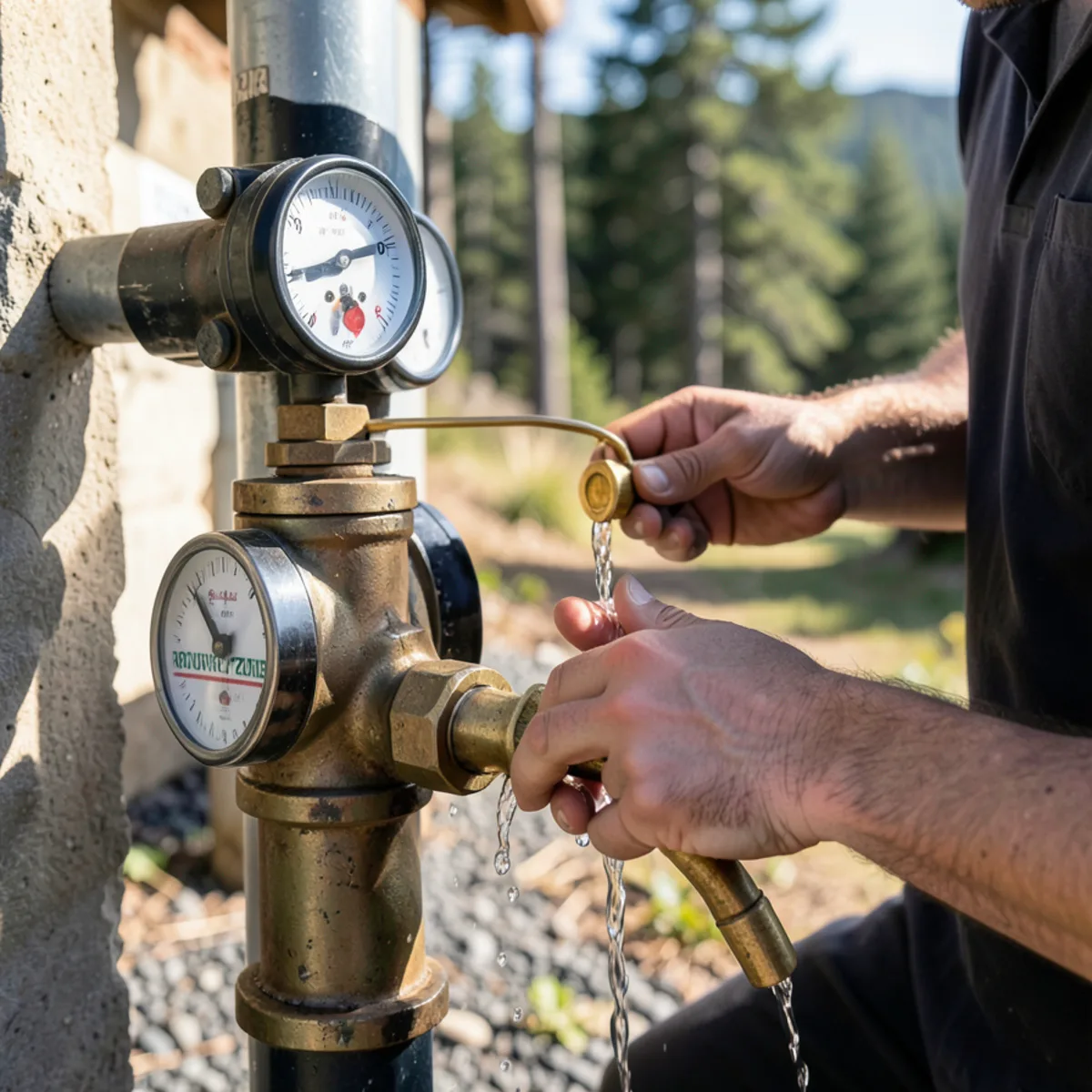
For residences served by the City of Snohomish Water Division or Cross Valley Water District, monitor municipal boil-water advisories closely. Once municipal supply safety is certified, open every outdoor hose bibb and allow water to run at maximum flow for at least 15 minutes until it runs crystal clear, cold, and odorless. Afterward, remove and thoroughly clean all faucet aerator screens and showerhead flow restrictors, which almost always harbor trapped river silt and organic debris.
- Do not drink well water until the wellhead is shock-chlorinated and certified by water lab testing
- Flush all exterior hose spigots for 15 minutes before opening any interior kitchen or bathroom faucets
- Unscrew, wash, and sanitize all sink faucet aerator screens to dislodge trapped sand and silt
- Discard and replace all refrigerator water filters and whole-home sediment filter cartridges
Get direct advice from an Avenue D technician
We diagnose Snohomish County plumbing emergencies 24 hours a day, 7 days a week.
Check 2: Water Heater Safety — Gas Valves, Controls & Submerged Tanks
Submerged Water Heating Appliances Must Be Professionally Condemned
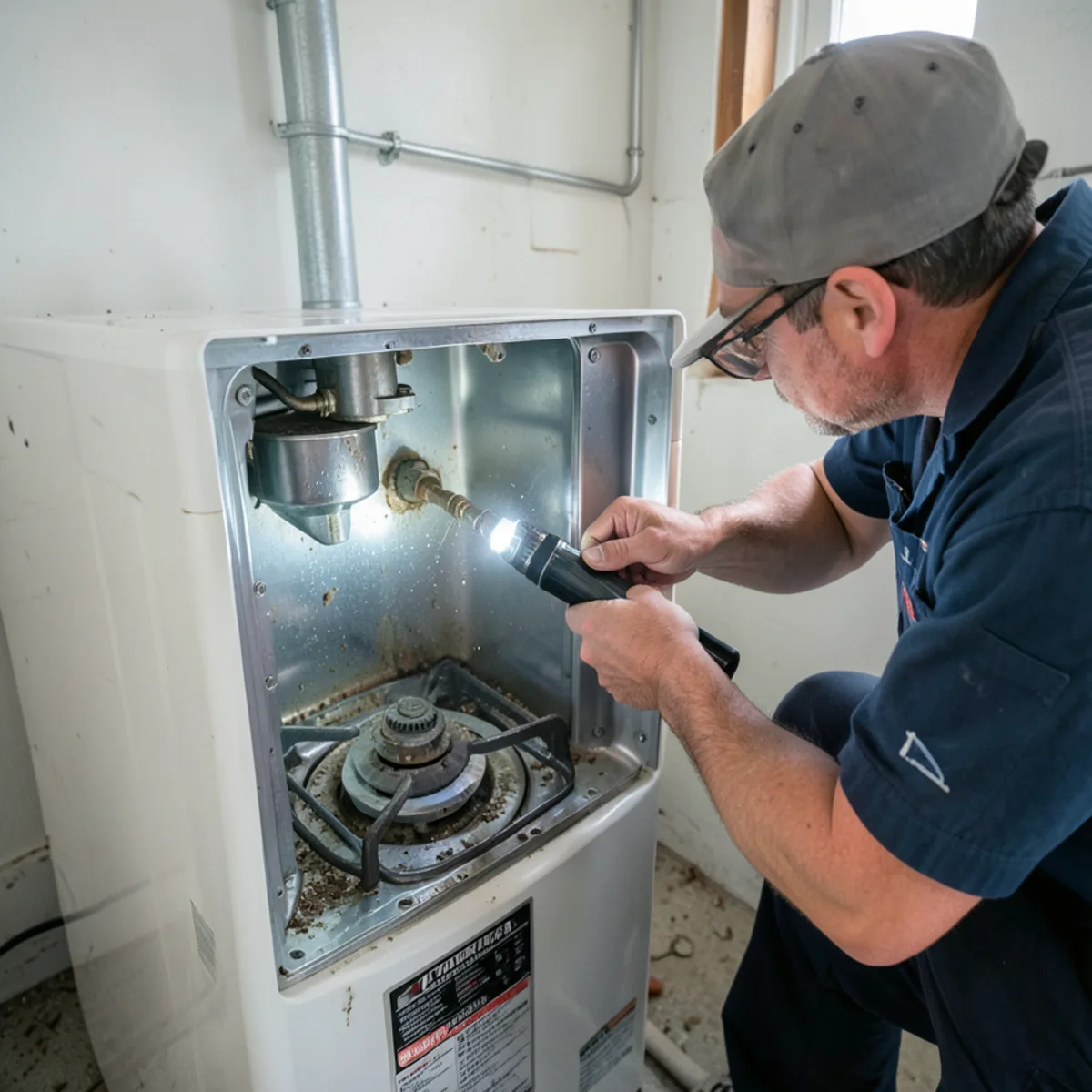
If floodwaters reached the bottom of your domestic water heater, never attempt to light the pilot flame, cycle the burner, or flip electrical breakers back on. Water heaters contain sensitive precision controls, gas solenoids, electrical heating elements, and dense fiberglass insulation that are ruined when submerged in silt-laden black water.
The Air-Conditioning, Heating, and Refrigeration Institute (AHRI) and the Gas Appliance Manufacturers Association (GAMA) explicitly mandate that any gas control valve, thermostat, or electronic ignition system that has been submerged in floodwater cannot be salvaged, cleaned, or reconditioned. Silt grains wedge inside valve seats, causing the gas valve to stick open and creating an immediate risk of a catastrophic gas explosion.
In electric storage water heaters, water saturates the dense fiberglass jacket surrounding the steel pressure vessel. Even if the outer metal shell appears dry after a few days, trapped damp insulation retains moisture against the steel tank for months, causing rapid galvanic rusting, tank wall breaches, and toxic black mold colonies inside your mechanical room. If floodwaters rose more than 2 to 3 inches above the base of your water heater, full unit replacement is universally recommended by insurance adjusters and plumbing codes.
| Water Heater Assembly | Flood Exposure Impact | Code-Mandated Remediation |
|---|---|---|
| Gas Control Valve & Thermocouple | Silt intrusion, corroded electrical leads, stuck valve | Mandatory replacement; cannot be cleaned |
| Electric Thermostats & Elements | Corrosion, grounded wiring, short circuit fire hazard | Test continuity; replace all wet elements |
| Tank Blanket Insulation | Trapped wastewater, rapid exterior rust, toxic mold | Condemn water heater if soaked above base |
| Temperature & Pressure (T&P) Relief | Sediment encrustation in spring mechanism | Replace valve to prevent tank over-pressurization |
| Power Vent Blower Fan | Silt in motor windings, bearing failure | Replace electrical blower assembly |
Check 3: Side Sewers, Floor Drains, and Compacting River Silt
Why Cable Snaking Fails in Flood Silt and Hydro-Jetting Is Mandatory
River floodwaters carry immense quantities of heavy, fine-grained alluvial silt and sand. When floodwaters back up into ground-floor fixtures and floor drains, this dense sediment settles along the bottom of traps, drain pipes, and underground side sewer laterals. As water drains away, the silt dehydrates, consolidating into a dense, clay-like plug that completely chokes the 4-inch pipe bore.
Standard mechanical drain cables with cutting blades are completely ineffective against flood silt. An auger blade simply punches a temporary 1-inch hole through the soft mud, which immediately collapses closed again as soon as the cable is withdrawn. The only proven plumbing method to restore silt-choked sewer lines is commercial 4,000 PSI high-pressure hydro-jetting, which pulverizes compacted sediment and flushes it cleanly into the municipal main.
Before running laundry or taking showers, commission a high-definition color sewer camera inspection with sonde depth locating. This diagnostic run verifies that the side sewer has not suffered structural crushing from heavy flood-saturated soil, identifies root intrusion breaches where silt entered, and confirms that the lateral is 100 percent clear of sediment.
Check 4: Sump Pump Basins, Ejector Pits & Backwater Valves
Restoring Subterranean Drainage Defense Before the Next Rain Event
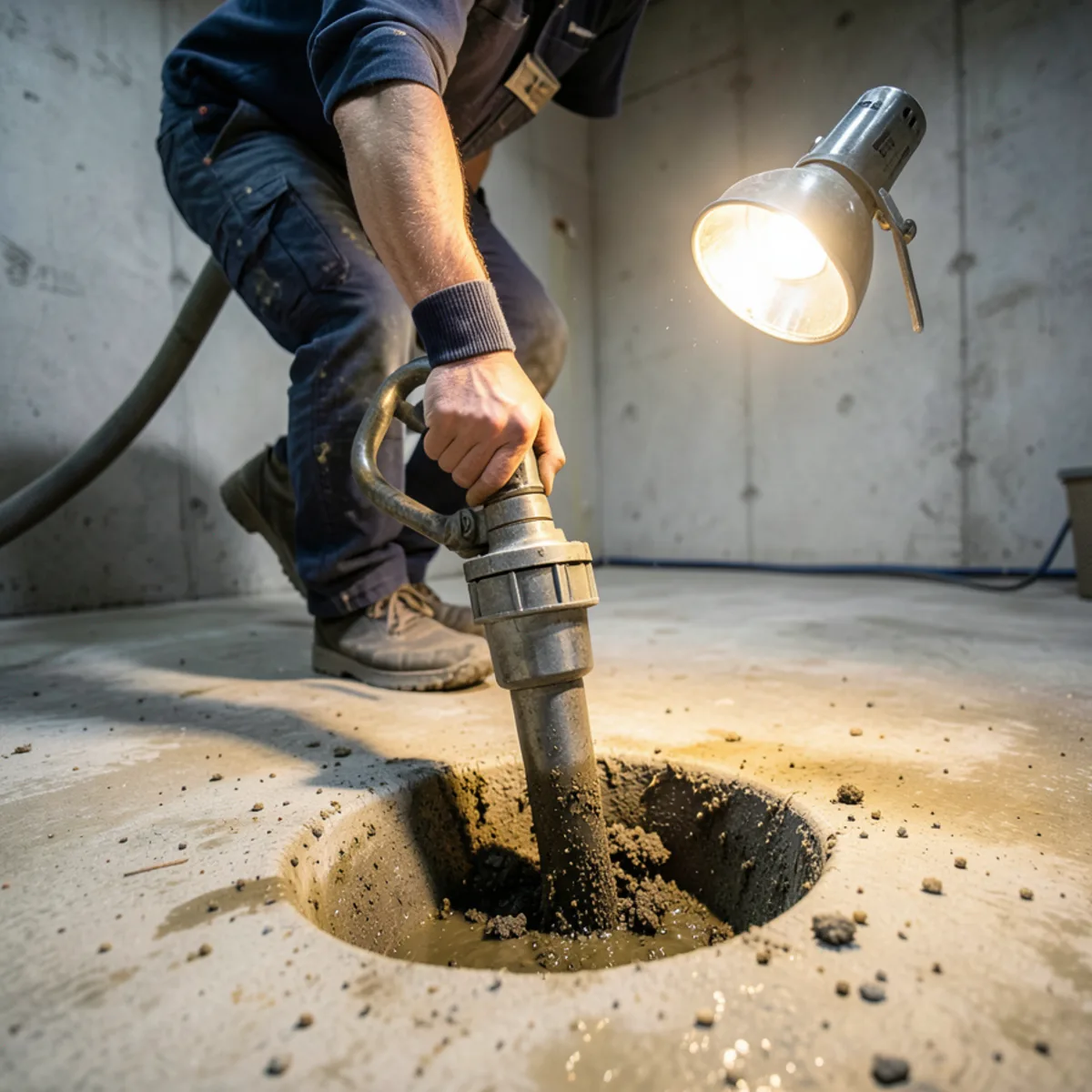
Basement sump pump basins and sewage ejector pits act as natural collection sinks during flood events, accumulating heavy sand, gravel, and muddy sludge. Before restoring power to pump circuits, shovel out all solid debris from the collection pit down to the bare basin floor.
Inspect the mechanical float switch to verify it swings smoothly along its guide rod without binding on the basin wall. Clean the pump's bottom intake screen, and pour clean bucket water into the basin to test the cycle: the motor must engage smoothly, evacuate the pit in seconds, and the inline check valve must close with a positive seal to prevent discharged water from cascading backward.
If your home sits in the Snohomish River floodplain, installing a full-port mechanical backwater check valve is the single most critical permanent defense against future inundation. Positioned on your main sewer line outside the home, a backwater valve contains a buoyant flapper that automatically rises and locks against an internal gasket when river-surcharged municipal mains back up, hermetically sealing your basement against municipal sewer backflow.
- Remove all settled mud, river sand, and debris from sump pump and ejector pits before testing
- Test pump check valves to verify they seal tightly and prevent discharged water backflow
- Verify high-water audio and visual battery alarms are operational with fresh 9V batteries
- Install an ASME-certified backwater check valve on the main lateral to block future river back-surcharge
Check 5: Crawlspace Sanitation & Foundation Footing Clearance
Eliminating Toxic Mold and Exterior Surcharge Pressures
The crawlspace beneath your home requires immediate sanitization. Saturated fiberglass batt insulation hanging from floor joists must be stripped out and bagged as hazardous waste; damp fiberglass acts as an incubator for Stachybotrys chartarum (toxic black mold) that contaminates indoor living air through subfloor penetrations.
Once contaminated insulation and wet 6-mil polyethylene ground vapor barriers are removed, all exposed wooden framing, floor joists, and plumbing pipes should be thoroughly washed with an EPA-registered fungicidal disinfectant and dried using commercial dehumidifiers and air movers.
Finally, inspect your exterior foundation perimeter footing drains (French drains). Floodwaters frequently pack foundation gravel and slotted PVC pipes with river mud. If perimeter drains are choked, subsequent rainstorms will create high hydrostatic groundwater pressure that forces water through foundation concrete seams and floods your freshly repaired crawlspace.
Frequently Asked Questions
No. Industry safety standards from GAMA and AHRI state that gas control valves, electrical thermostats, and safety switches submerged in floodwater cannot be safely cleaned or reconditioned. Silt wedges inside mechanical gas valves, creating severe gas explosion risks.
Related Services & Local Coverage
Core Plumbing Disciplines
Service Areas Mentioned
Need Expert Assistance With Your Home’s Plumbing?
Call 24/7 to connect directly with an Avenue D technician ready to dispatch across Snohomish County.