
Frozen or Burst Pipe in a Snohomish County Cold Snap: What to Do First
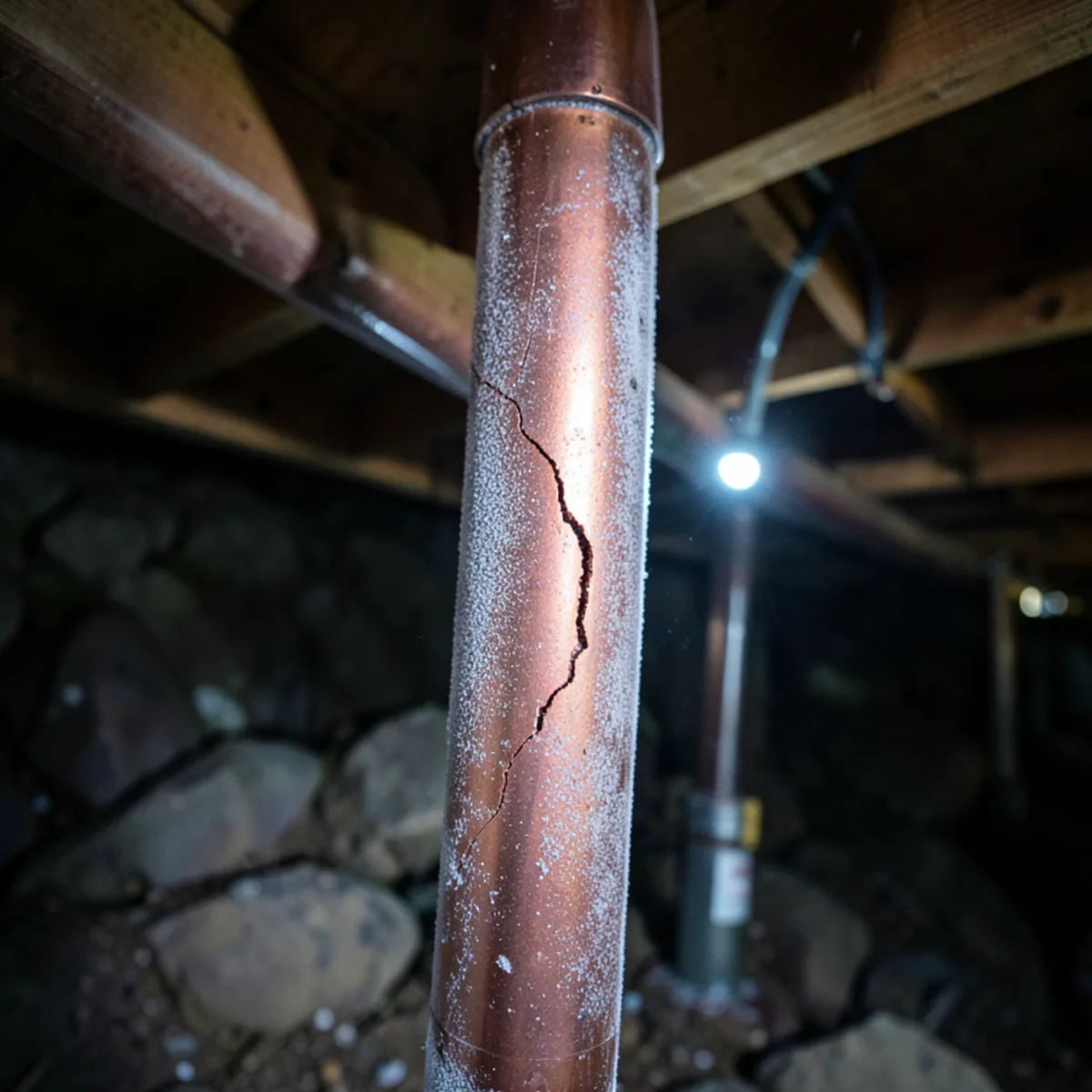
If a pipe freezes or bursts in your Snohomish County home, your immediate first step is to shut off the main water valve at the house shutoff or curb meter to stop pressurized flooding. Immediately open cold water faucets downstairs to relieve line pressure, cut electrical breaker power to flooded rooms from a dry vantage point, and call a licensed 24/7 plumber at (321) 559-0657 before attempting any heat thawing.
Winter weather across Western Washington carries deceptively severe plumbing hazards. According to regional NOAA climate records, Snohomish County averages 49.1 freezing nights per year (temperatures dropping below 32°F / 0°C). When arctic high-pressure systems push cold continental air through Stevens Pass and down the Skykomish River valley, overnight temperatures frequently plummet into the teens. In homes built over ventilated crawlspaces or unheated daylight basements, standing water inside uninsulated copper, galvanized, or plastic pipes can freeze solid in as little as four to six hours.
Understanding the exact sequence of mechanical steps to isolate water flow, protect your electrical systems, and safely thaw frozen lines can save your home from tens of thousands of dollars in catastrophic structural rot, ruined subflooring, and black mold remediation.
Step 1: Shut Off the Main Water Supply Immediately
Stop Pressure Before the Ice Thaws and Floodwaters Expand
The moment you suspect a frozen water line—indicated by a faucet that produces only a faint trickle, unusual whistling sounds in the walls, or damp spots appearing on drywall—you must shut off the main water supply immediately. When water freezes, it expands by approximately 9 percent by volume, generating over 2,000 to 4,000 PSI of internal hydraulic pressure against the interior pipe wall.
In many instances, the pipe actually fractures while frozen solid, but the dense ice plug temporarily seals the rupture. Homeowners who leave their main water valve open are often horrified hours later when ambient temperatures rise above freezing: as the ice melts, municipal water pressurized at 60 to 90 PSI pours through the split pipe wall at 10 to 15 gallons per minute, flooding crawlspaces, soaking insulation, and collapsing plaster ceilings within minutes.
Locate your main interior shutoff valve. In typical Snohomish County residences, this valve is situated where the municipal water service enters the structure—commonly inside the crawlspace access near the street-facing foundation wall, inside an attached garage near the water heater, or within an interior ground-floor laundry room. If your home features a modern quarter-turn brass ball valve, rotate the yellow, red, or blue handle 90 degrees until it is perpendicular to the pipe. If your system features an older brass gate valve with a round wheel, turn the handle clockwise until it stops completely.
- Rotate ball-valve lever 90 degrees perpendicular to the pipe, or turn gate-valve wheel clockwise until seated
- Open lowest interior cold water faucets and exterior hose bibbs to relieve trapped hydraulic pressure
- If the main shutoff valve is seized or inaccessible, shut off the street curb stop meter using a curb key
- Ensure water meter dials stop spinning completely to verify total municipal supply isolation
Get direct advice from an Avenue D technician
We diagnose Snohomish County plumbing emergencies 24 hours a day, 7 days a week.
Step 2: Why Frozen Pipes Rupture: Ice Physics & Hydraulic Spikes
Understanding Why Pipes Burst Downstream From the Freeze Blockage
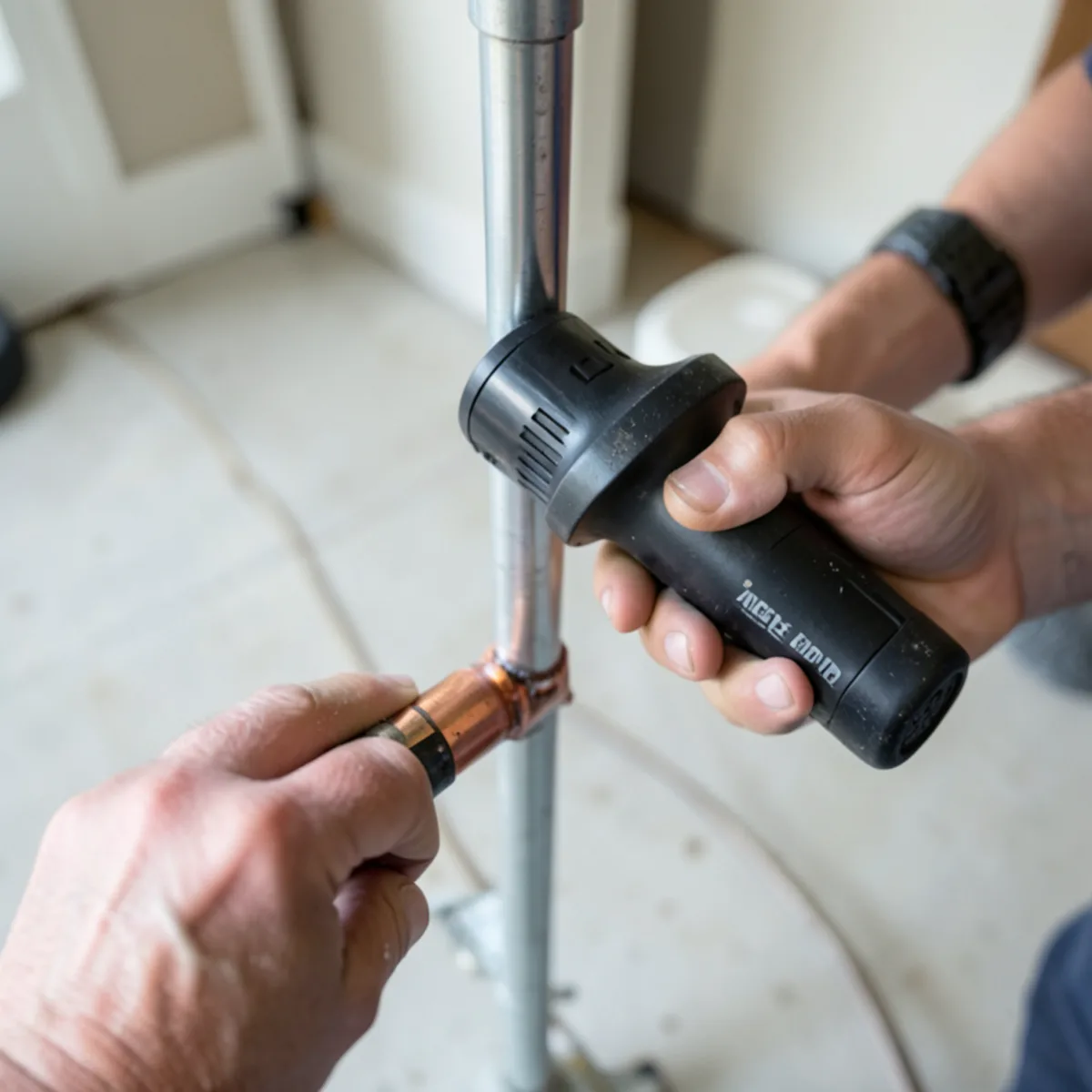
A widespread misconception among homeowners is that a pipe bursts directly at the spot where the ice forms. In reality, laboratory testing by the Building Research Council demonstrates that pipe failures almost always occur downstream between the ice blockage and a closed plumbing fixture.
As freezing temperatures penetrate the crawlspace, ice crystals form along the interior circumference of the pipe wall and gradually expand inward. This ice ring acts as an immovable mechanical plug. As additional ice freezes behind it, liquid water trapped between the ice plug and the closed faucet is compressed. Because liquid water is completely incompressible, the continuing expansion of the freezing ice drives hydraulic pressure to extreme levels—often exceeding 3,000 PSI.
Eventually, this immense pressure exceeds the hoop tensile strength of the pipe material. Rigid copper tubing develops a classic longitudinal split along its drawn seam. Pre-1960 galvanized steel pipes fracture at weakened threaded joints, and older Quest polybutylene lines rupture at brittle acetal plastic fittings. This is why allowing a small, continuous trickle of water to run from faucets during sub-freezing weather prevents bursts: the open tap allows pressurized water to escape, keeping pressure below the rupture threshold even if an ice plug forms.
Step 3: Safe Thawing Procedures vs Dangerous Mistakes
Never Use Open Flames or Torches on Residential Plumbing Lines
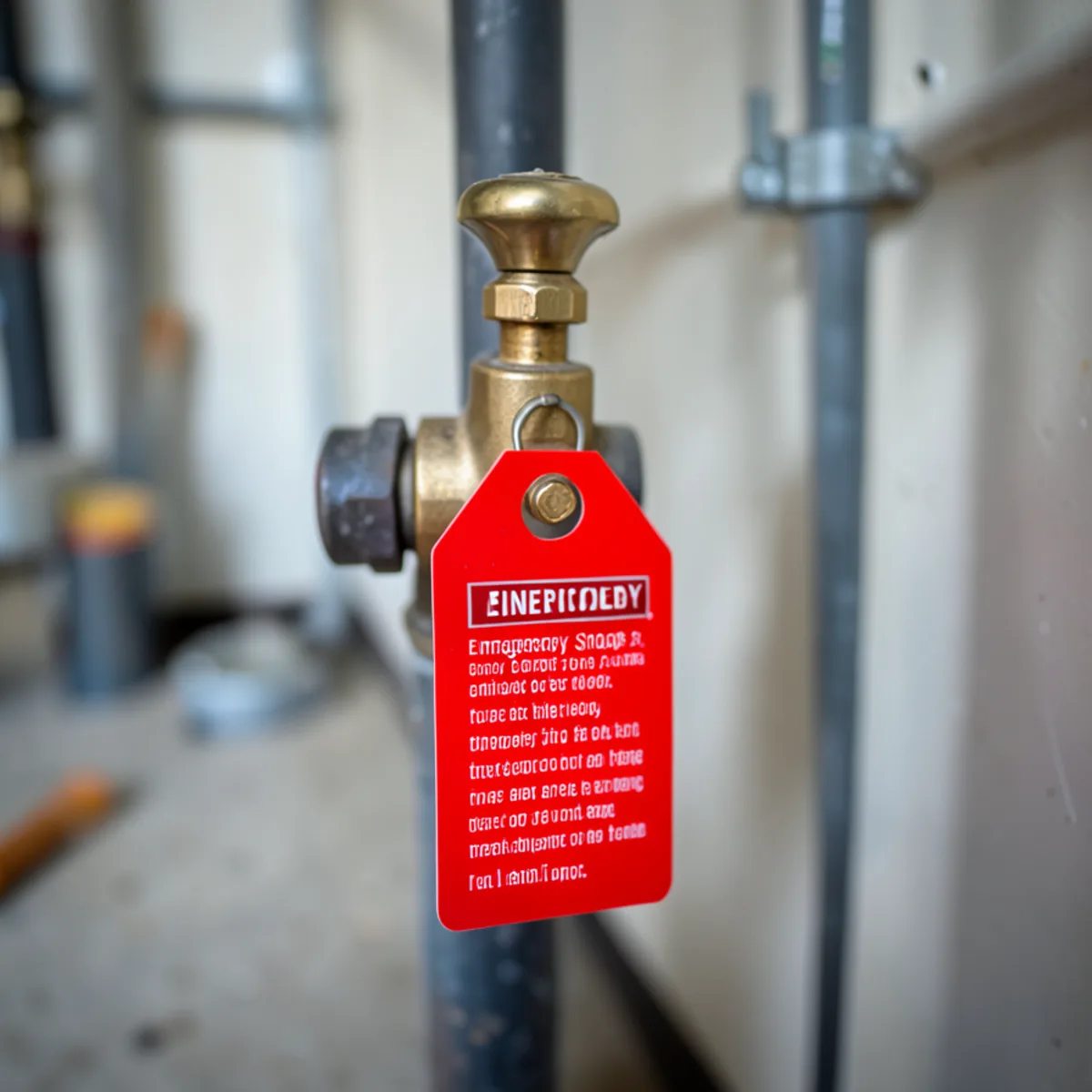
If an interior pipe is frozen solid but visual inspection confirms it has not yet ruptured or deformed, you may attempt to thaw the line gently. However, your technique matters immensely. Under no circumstances should you ever use an open-flame propane torch, butane lighter, or heat gun with an open element to thaw plumbing pipes. Open flames quickly ignite dry wood framing, melt adjacent electrical wiring, and vaporize water inside the pipe into superheated steam that can violently explode the pipe wall.
Always open the faucet served by the frozen line before applying heat so that melting water, air, and steam have an unobstructed escape path. Begin applying gentle heat at the section of pipe closest to the open faucet, gradually working your way backward toward the frozen blockage. This sequence ensures that melting water flows outward through the tap rather than building trapped steam pressure behind a secondary ice barrier.
Safe, code-approved heating tools include an ordinary handheld electric hair dryer operated 4 to 6 inches away from the pipe, portable electric space heaters placed at a safe clearance from joists and vapor barriers, or heavy towels soaked in steaming hot water wrapped securely around the frozen section. For long inaccessible runs through crawlspaces, professional plumbers utilize specialized low-voltage pipe thawing machines that pass safe electrical current through metal lines to melt blockages without risk of fire.
| Thawing Method | Safety Rating | Primary Risk Factor | Recommended Application |
|---|---|---|---|
| Electric Hair Dryer | Safe & Effective | Low risk if kept dry and monitored | Exposed interior or garage pipes |
| Hot Water Soaked Towels | Safe | Dripping water requires catch basins | Exposed copper pipes near floor drains |
| Electric Heat Tape (Thermostatic) | Approved Preventive | Requires proper UL listing and install | Long crawlspace pipe runs before winter |
| Propane Blowtorch | EXTREMELY HAZARDOUS | High fire danger, explosive steam rupture | STRICTLY FORBIDDEN indoors |
| Low-Voltage Thawing Unit | Professional Grade | Requires licensed technician certification | Concealed crawlspace copper laterals |
Step 4: Emergency Triage If the Pipe Has Already Ruptured
Mitigating Property Damage, Electrical Hazards & Insurance Records
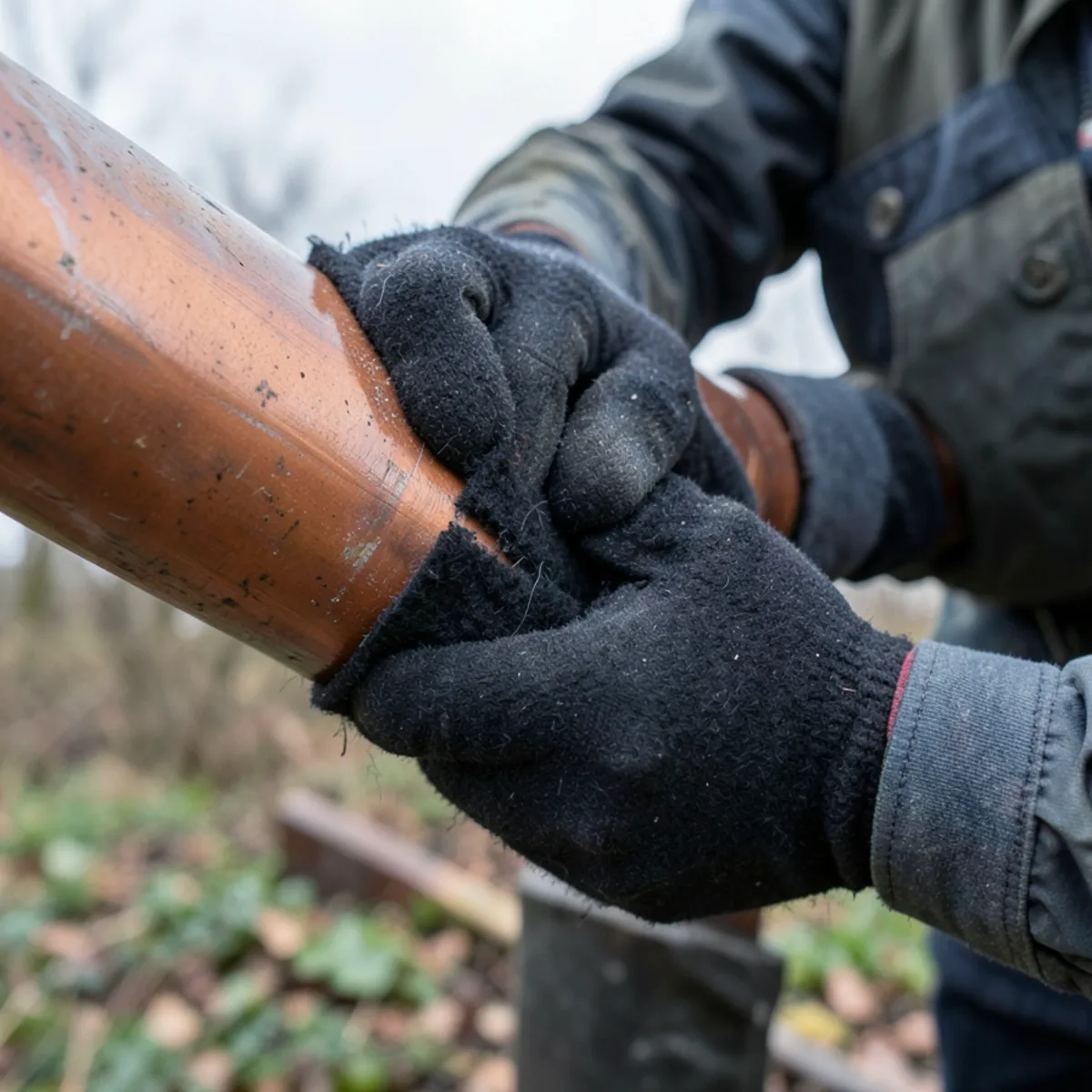
If water is actively spewing from a ruptured line, keep your main water shutoff firmly closed. Your immediate operational focus must transition to safety, damage containment, and insurance documentation. Water from a domestic supply rupture is initially clean (Category 1), but as it seeps through crawlspace soil, old fiberglass insulation, and rodent droppings, it rapidly degrades into hazardous Category 3 'black water' within 24 to 48 hours.
Before stepping into any flooded room or crawlspace, locate your main electrical panel and turn off the circuit breakers controlling power to the affected areas. Never walk through standing water to access an electrical subpanel; if the panel itself is compromised or inaccessible without standing in water, call the Snohomish County PUD emergency line at (425) 783-1000 for a service disconnect.
Thoroughly document all physical damage before starting cleanup. Capture extensive high-resolution photographs and continuous video of wet ceilings, swollen baseboards, saturated carpets, and ruined personal property. Place plastic storage totes or five-gallon buckets beneath active ceiling leaks, and move high-value electronics and furnishings to dry rooms. Call your homeowner's insurance carrier immediately to open a claim, and retain all receipts from emergency plumbing repairs.
- De-energize circuit breakers powering flooded living areas before entering wet zones
- Capture comprehensive photographic and video evidence of all water-damaged building assemblies
- Extract standing water using wet/dry vacuums and remove saturated crawlspace fiberglass insulation
- Maintain clear physical and digital receipts for emergency plumbing services and mitigation supplies
Step 5: Permanent Prevention: Crawlspace Winterization & PEX-A
Protecting Snohomish Homes Against Future Arctic Outflows
Once emergency repairs are complete, taking proactive steps to winterize your plumbing infrastructure will permanently protect your home against future Puget Sound cold snaps. Begin in your crawlspace by inspecting all water supply piping. Every linear foot of domestic pipe—both hot and cold—should be encased in minimum 5/8-inch-thick closed-cell polyethylene foam insulation sleeves with all mitered joints and seams taped with weather-resistant foil tape.
Pay special attention to foundation ventilation grates. Under Washington State building codes, crawlspaces are ventilated to prevent summer moisture buildup; however, during winter arctic outflows, freezing north winds blast through foundation vents, creating localized freeze funnels that drop crawlspace air temperatures into the low 20s. Installing removable foam foundation vent plugs in late autumn and removing them in spring blocks freezing drafts while preserving structural framing.
Replace standard outdoor hose spigots with frost-free sillcocks (such as the Woodford Model 19). Frost-free valves seat the actual water shutoff valve 8 to 12 inches inside the conditioned thermal envelope of the home. Always disconnect garden hoses before the first autumn frost: leaving a hose connected traps water inside the valve barrel, causing the casting to split during a freeze.
Finally, for older homes with brittle rigid copper or corroded galvanized piping, upgrading to cross-linked polyethylene (Uponor PEX-A) provides unmatched freeze protection. Unlike rigid metal pipes, PEX-A possesses thermal elasticity that allows the pipe to expand up to 300 percent of its diameter when water freezes inside it, returning to its original shape without cracking or bursting when the thaw occurs.
Frequently Asked Questions
Yes. While water freezes at 32°F, strong wind chill and drafty crawlspace foundation vents can cause ambient crawlspace temperatures to plunge well below outdoor air temperatures. Uninsulated copper pipes exposed to cold air drafts can freeze in a few hours even if the official forecast is 30°F.
Related Services & Local Coverage
Core Plumbing Disciplines
Service Areas Mentioned
Need Expert Assistance With Your Home’s Plumbing?
Call 24/7 to connect directly with an Avenue D technician ready to dispatch across Snohomish County.