
Why Drains Back Up in Heavy Rain: Common Causes in Snohomish County Homes
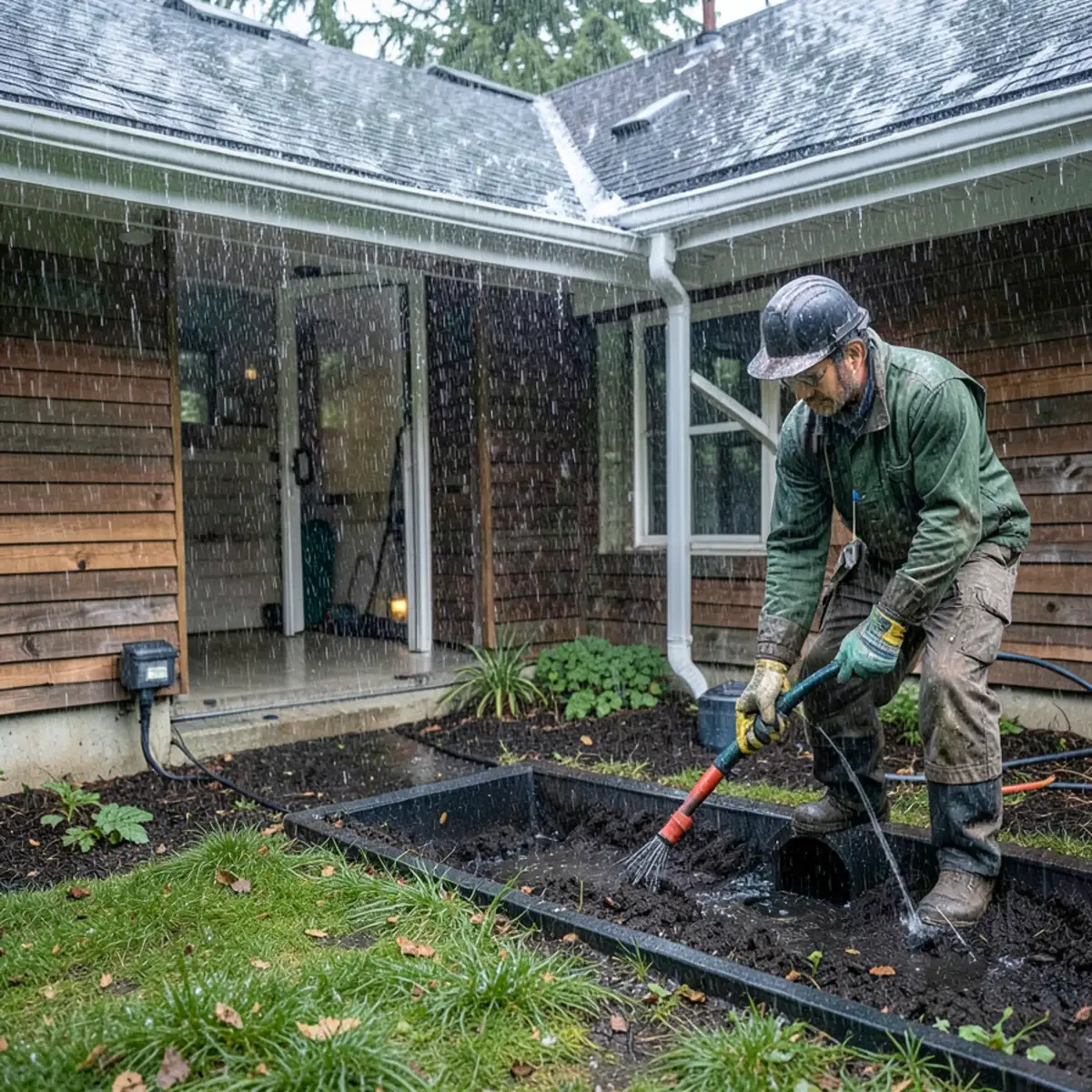
In Snohomish County, drains back up during heavy rain primarily because municipal sanitary sewer mains become surcharged with stormwater through Inflow and Infiltration (I&I), forcing hydraulic backpressure up private side sewer laterals into the lowest plumbing fixtures. During prolonged Pacific Northwest atmospheric rivers—where November precipitation routinely exceeds 9 inches across Everett, Marysville, Lynnwood, and Snohomish—this surge overwhelms underground drainage networks.
When regional soils become fully saturated, illegal legacy cross-connections (such as foundation French drains or roof gutters tied into sewer lines), expanding tree root dams, and low pipe bellies trigger sewage backups into finished basements and daylight laundry rooms. Understanding the mechanical causes of rain-induced backups and installing code-approved backwater valves provides permanent protection against hazardous sewage contamination.
The Primary Culprit: Inflow and Infiltration (I&I) in Municipal Sewers
How Millions of Gallons of Rainwater Surcharge Street Mains
To understand why indoor drains back up exclusively during heavy downpours, homeowners must understand how municipal wastewater infrastructure functions under extreme weather. In older neighborhoods throughout Snohomish, Everett, and South Snohomish County, municipal sanitary sewer mains are physically separated from stormwater culverts. However, decades of soil settlement, seismic micro-tremors, and tree root intrusion have caused hairline cracks and unsealed joints throughout municipal street collector pipes and public manhole access collars.
During severe multi-day rainstorms and atmospheric river events, saturated groundwater penetrates these municipal pipe cracks in a massive engineering phenomenon known as Inflow and Infiltration (I&I). Millions of gallons of stormwater flood into the public sanitary sewer network, rapidly exceeding the design capacity of the street mains.
When the municipal collector pipe under your street becomes completely surcharged with water under pressure, it transforms from a gravity-flow drainage system into a pressurized hydraulic conduit. Unable to travel downstream toward the regional wastewater treatment plant fast enough, wastewater seeks the path of least physical resistance. In homes where the lowest plumbing fixture (a basement toilet, shower, laundry sink, or concrete floor drain) is situated below the elevation of the street manhole cover, this pressurized municipal sewage surges backward up the private side sewer lateral and erupts into finished living quarters.
Get direct advice from an Avenue D technician
We diagnose Snohomish County plumbing emergencies 24 hours a day, 7 days a week.
Illegal Cross-Connections: Downspouts and Foundation Drains
When Your Own Roof Water Overwhelms Your Home's Sewer Line
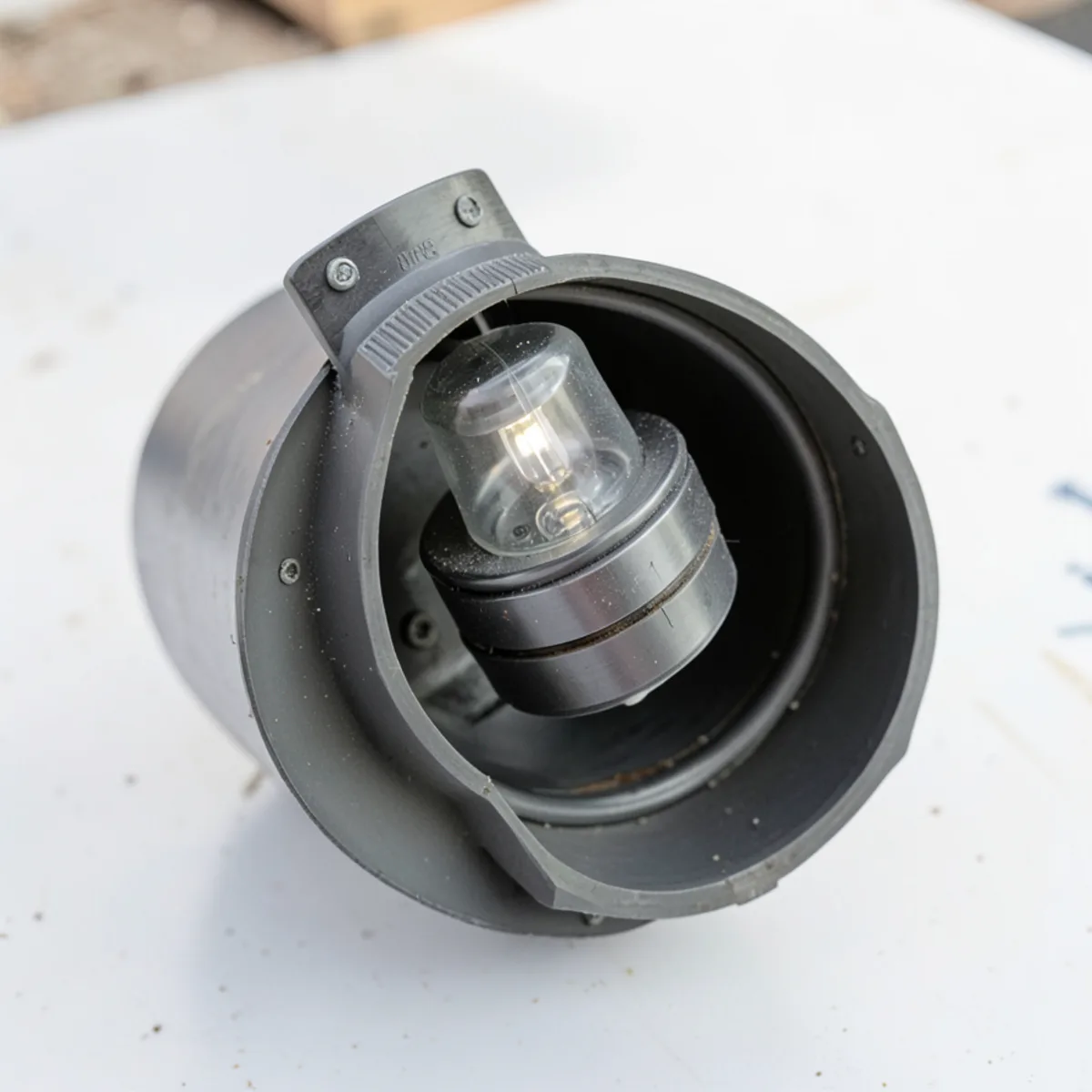
While municipal main surcharging is a frequent external trigger, many severe rain backups originate from hidden cross-connections on the homeowner's private property. Between the 1940s and late 1970s, building contractors in suburban Snohomish County subdivisions frequently tied roof gutter downspouts and exterior foundation footing perimeter drains (French drains) directly into the home's 4-inch sanitary sewer pipe.
During a dry spell or light drizzle, this plumbing shortcut goes unnoticed. But during an intense Puget Sound atmospheric river delivering 2 to 3 inches of rainfall in 24 hours, a standard 2,500-square-foot roof catches more than 3,100 gallons of stormwater runoff. Channeling thousands of gallons of cold roof water into a 4-inch building drain creates instantaneous hydraulic choking.
Under the Uniform Plumbing Code (UPC Chapter 7) and municipal environmental ordinances across Snohomish County, discharging clean stormwater, roof drainage, or surface groundwater into a sanitary sewer is strictly illegal. The sudden surge overwhelms the lateral, and if the main line encounters even minor resistance downstream, your own roof runoff backs up into your basement floor drains.
Soil Saturation Mechanics: Deepening Pipe Bellies and Root Dams
Why Glacial Hardpan Shifts Under Intense Winter Precipitation
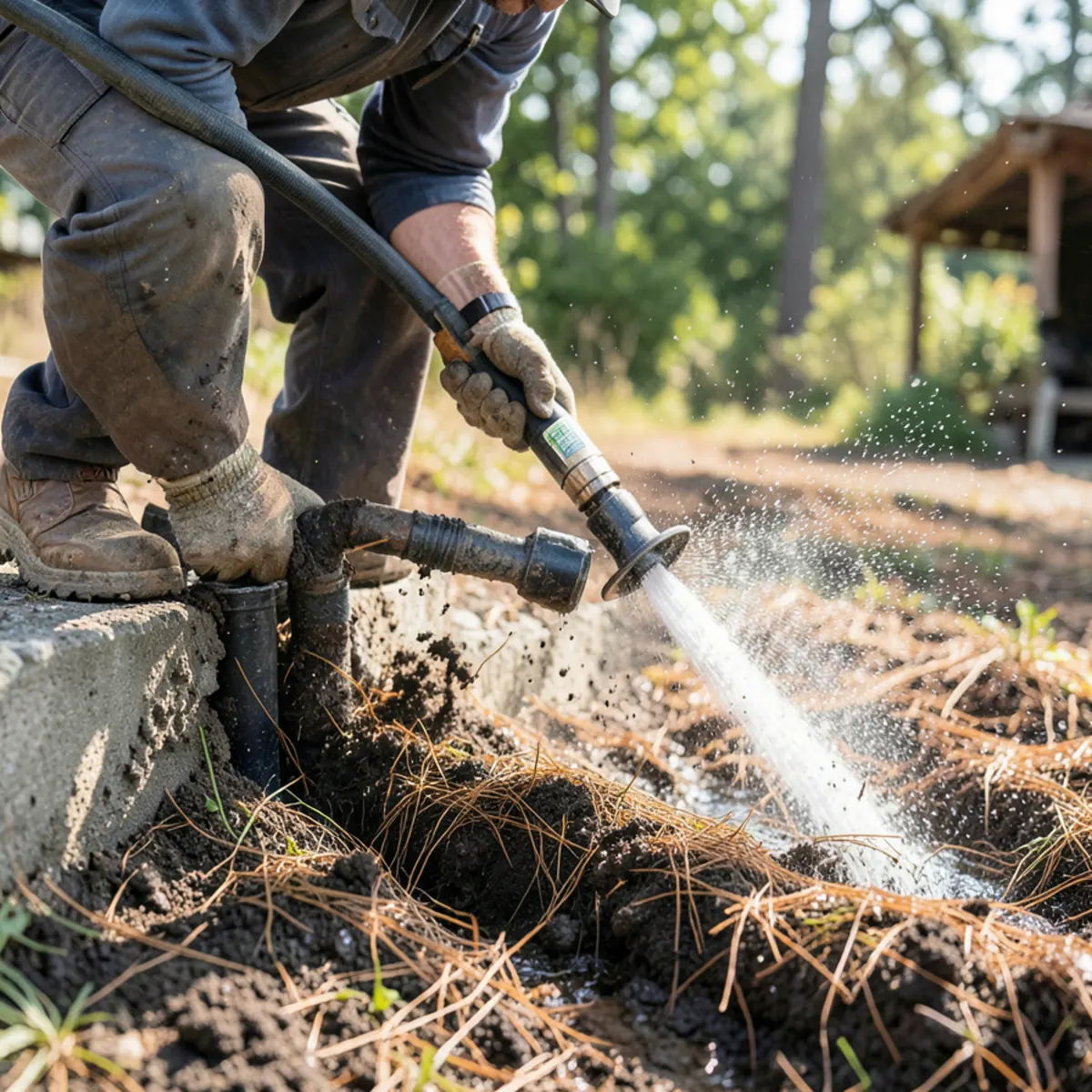
Pacific Northwest rainfall alters soil density and underground pipe geometry. Most residential properties in Snohomish, Marysville, and Lynnwood sit atop glacially deposited Vashon till or alluvial river silts with high moisture retention.
During dry summer months, soil is compacted and relatively stable. However, as torrential winter rains saturate the soil column, hydrostatic pressure increases dramatically while load-bearing soil stability decreases. Underground side sewer laterals that have minor pre-existing sags or reverse slopes ('bellies') sink deeper under the weight of waterlogged earth.
Simultaneously, mature Douglas fir, Western red cedar, and willow root systems that have invaded pipe joints absorb immense volumes of moisture, swelling in size. The combination of an exaggerated low belly and swollen root clusters creates an effective underground dam. While normal daily toilet flushes might squeak by, the additional volume of ground water and heavy usage during storms causes total line stoppage.
- Municipal main surcharging: Stormwater floods public collector mains, pushing sewage up lower residential laterals
- Legacy cross-connections: Roof downspouts and French drains routed to sanitary sewers overwhelm pipe capacity
- Alluvial soil subsidence: Saturated ground causes side sewer pipes to sag, creating reverse-slope water traps
- Root mass swelling: Invading tree roots expand during wet winter months, snagging toilet paper and solid waste
- Erosion offset joints: Shifting soil separates old clay pipe collars, allowing mud and gravel to wash into the drain
Stormwater vs Sanitary Drainage Failure Comparison
Diagnosing Symptoms, Failure Mechanisms, and Code-Approved Remedies
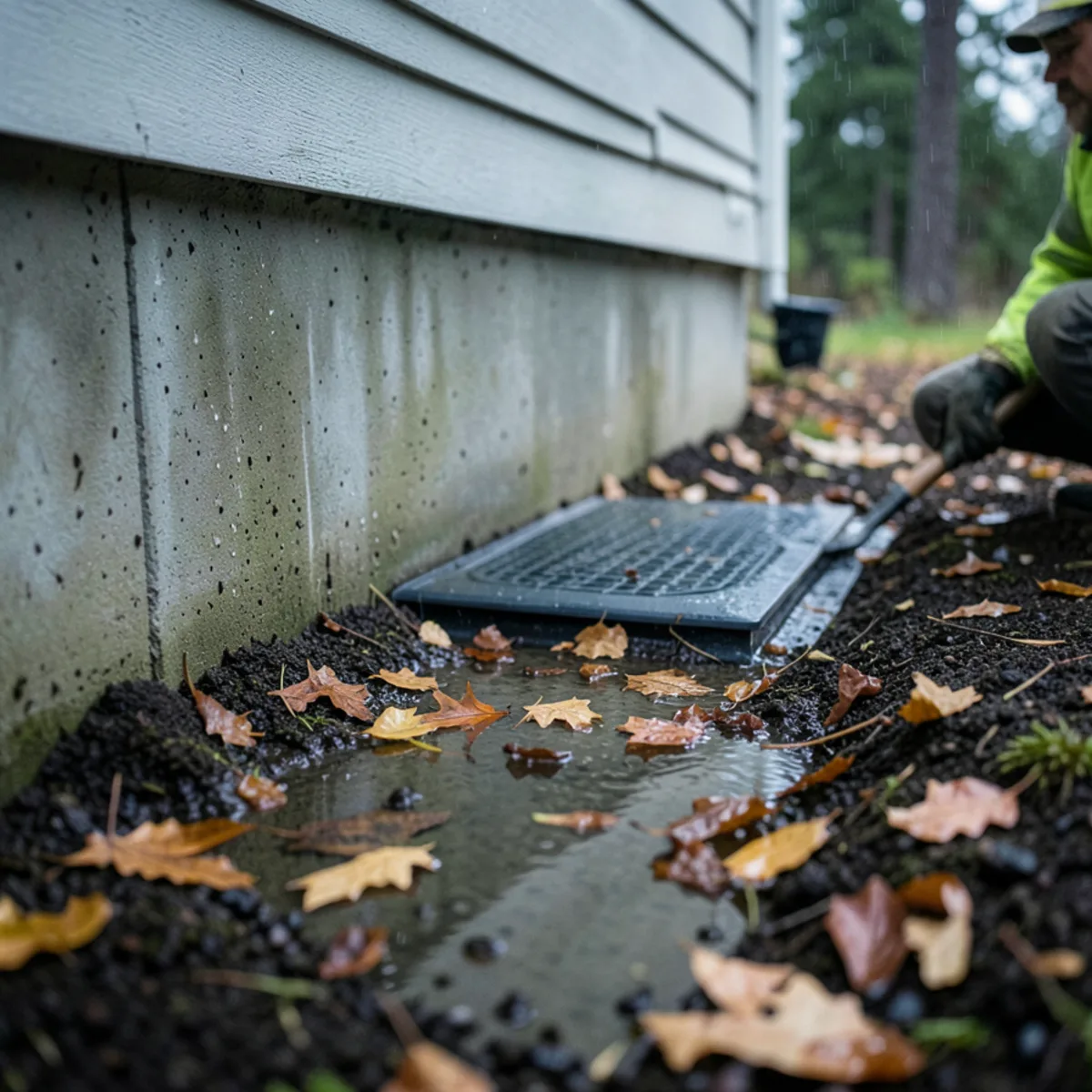
Differentiating between surface stormwater infiltration and sanitary sewer failure is essential for choosing the right plumbing intervention. The following diagnostic matrix details the most common rainfall backup scenarios:
| Observed Symptom | Underlying Mechanical Cause | Contamination Risk | Code-Approved Remedy | Typical Investment |
|---|---|---|---|---|
| Basement floor drain overflows during rain | Municipal main surcharging (I&I backpressure) | High (Raw municipal blackwater) | Install Clean Check backwater valve | $1,800 – $3,400 |
| Multiple fixtures gurgle when rain starts | Roof downspout tied into sanitary building drain | Moderate to High | Sever downspout; re-route to rain barrel or swale | $600 – $1,500 |
| Slow drainage that halts only in winter | Swollen tree roots in clay side sewer joint | Moderate (Gradual greywater backup) | 4,000 PSI hydro-jetting & CIPP relining | $1,200 – $8,500 |
| Water bubbling through foundation wall crack | Perimeter French drain failure / saturated soil | Low (Groundwater silt) | Install exterior footing drain & sump pump basin | $3,500 – $7,500 |
Emergency Action Protocol When Drains Back Up in a Storm
Immediate Steps to Minimize Health Hazards and Property Damage
If you discover water or sewage bubbling up through your basement drains during a storm, taking immediate, decisive action limits catastrophic interior damage:
1. Immediately Cease All Indoor Water Usage: Do not run washing machines, dishwashers, showers, or flush toilets. Any water sent down upper-level drains will exit through the lowest open fixture in the basement.
2. Do NOT Use Chemical Drain Cleaners: Pouring caustic sodium hydroxide or sulfuric acid into standing backup water creates a toxic chemical stew that will not dissolve tree roots or stop municipal backpressure, but will burn plumbing technicians and damage pipe walls.
3. Shut Off Electrical Breakers in Flooded Basements: If water reaches electrical baseboard heaters, floor outlets, or mechanical appliances, shut down power to the basement circuit at the main breaker panel before stepping into standing water.
4. Call a Licensed Emergency Plumber: Contact Hector Plumbing Solutions at (321) 559-0657 for 24/7 emergency dispatch. Our service vans carry heavy-duty motorized snaking machinery, hydro-jetting units, and temporary mechanical test plugs to halt backup flow.
Permanent Protection: Backwater Valves & Dual-Sump Pump Systems
Engineering Mechanical Barriers That Stop Surcharged Sewage
The definitive, long-term engineering solution to rain-induced sewer backups is the installation of an approved backwater check valve (such as an Clean Check or RectorSeal extendable valve).
Installed on your exterior side sewer lateral or main building drain, a backwater valve features an internal mechanical flapper suspended on a precision hinge. Under normal daily conditions, household wastewater pushes the flapper open and flows freely out to the public main by gravity. However, the instant high municipal backpressure forces sewage backward toward your home, the flapper swings shut and seals tightly against an engineered neoprene gasket, creating a watertight barricade that stops street sewage in its tracks.
For walkout basements and low-lying daylight living areas, pairing an exterior backwater valve with an interior dual-pump sump basin provides comprehensive flood resilience. We install primary 1/2-HP cast-iron sump pumps paired with secondary battery-backup pumps capable of pumping 2,500 gallons per hour during regional winter power blackouts.
Frequently Asked Questions
Because water seeks the lowest physical escape point. When the municipal sewer main beneath the street surcharges with storm runoff, hydraulic head pressure pushes water up your private lateral. The lowest drain fixture in your home—typically a basement floor drain, shower, or laundry tub—is closest to street grade and overflows first.
Related Services & Local Coverage
Core Plumbing Disciplines
Service Areas Mentioned
Need Expert Assistance With Your Home’s Plumbing?
Call 24/7 to connect directly with an Avenue D technician ready to dispatch across Snohomish County.